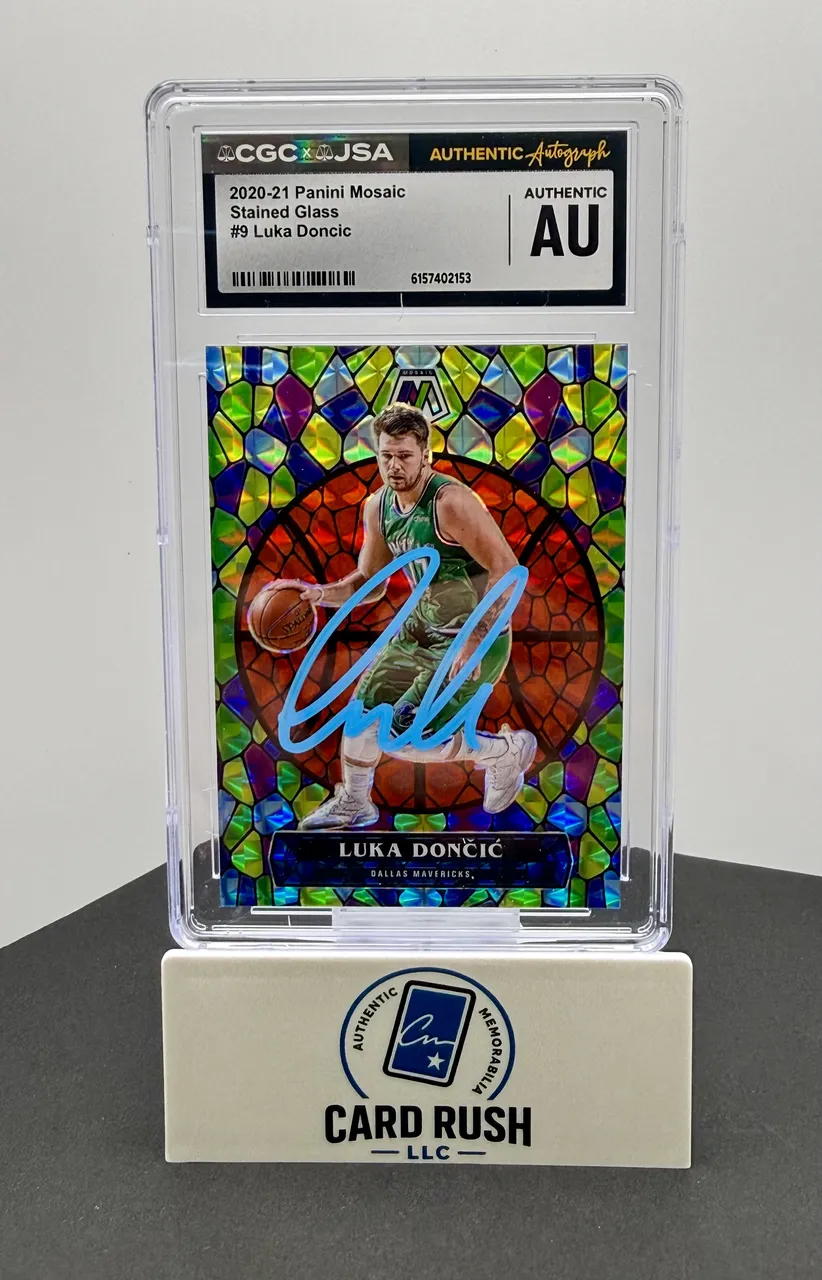
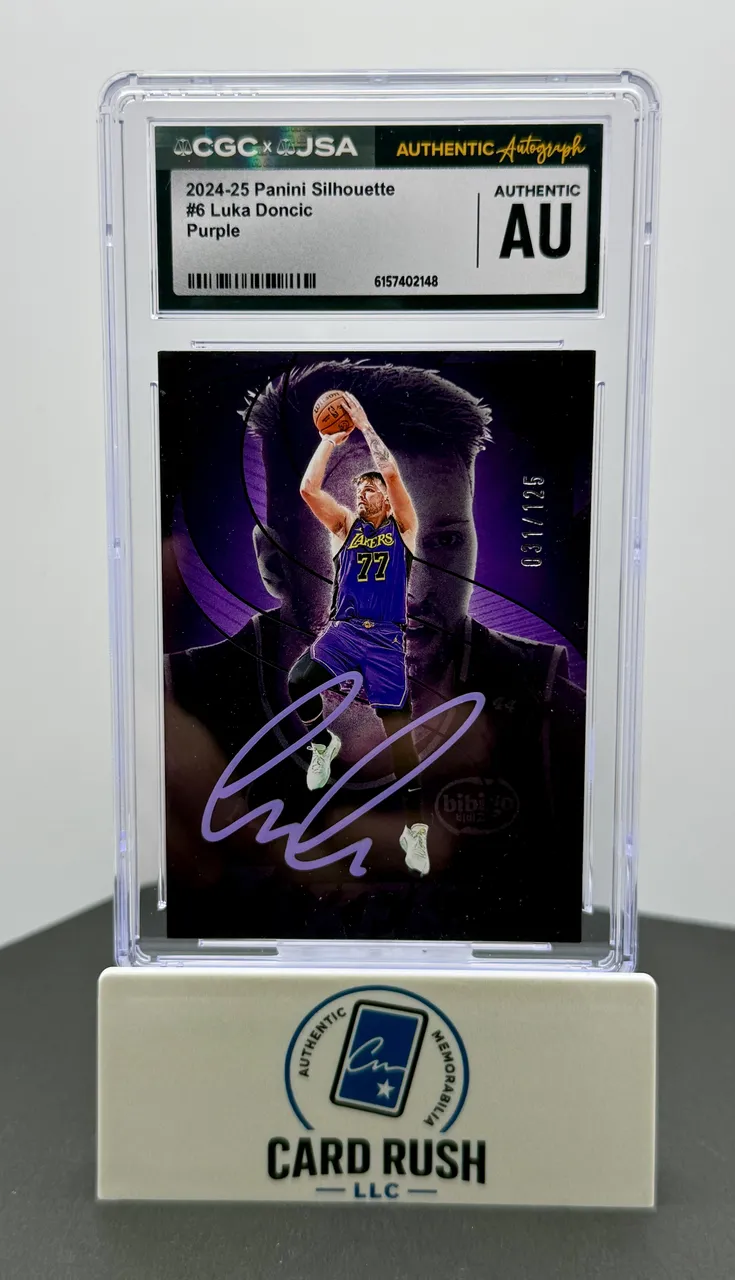
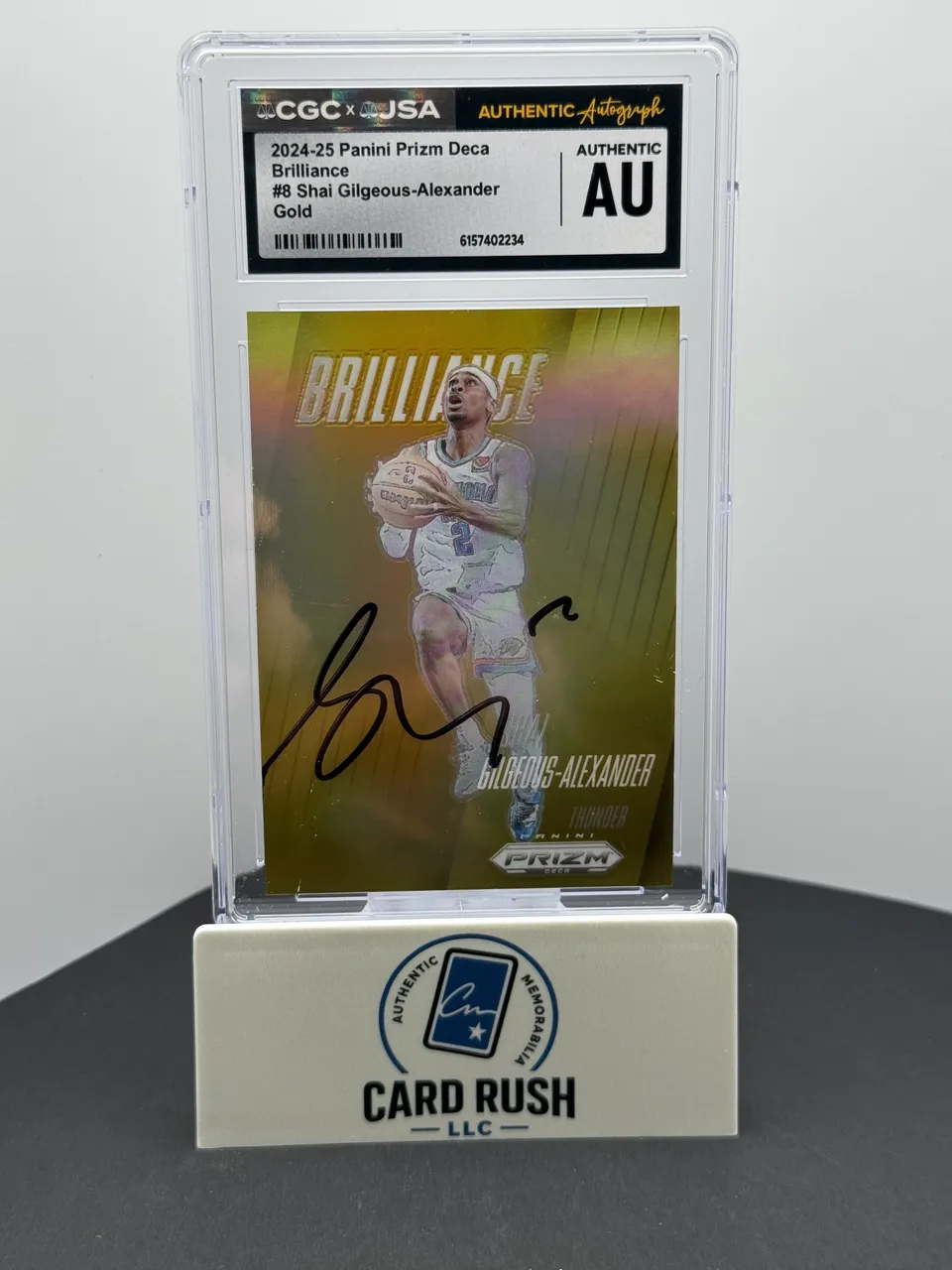
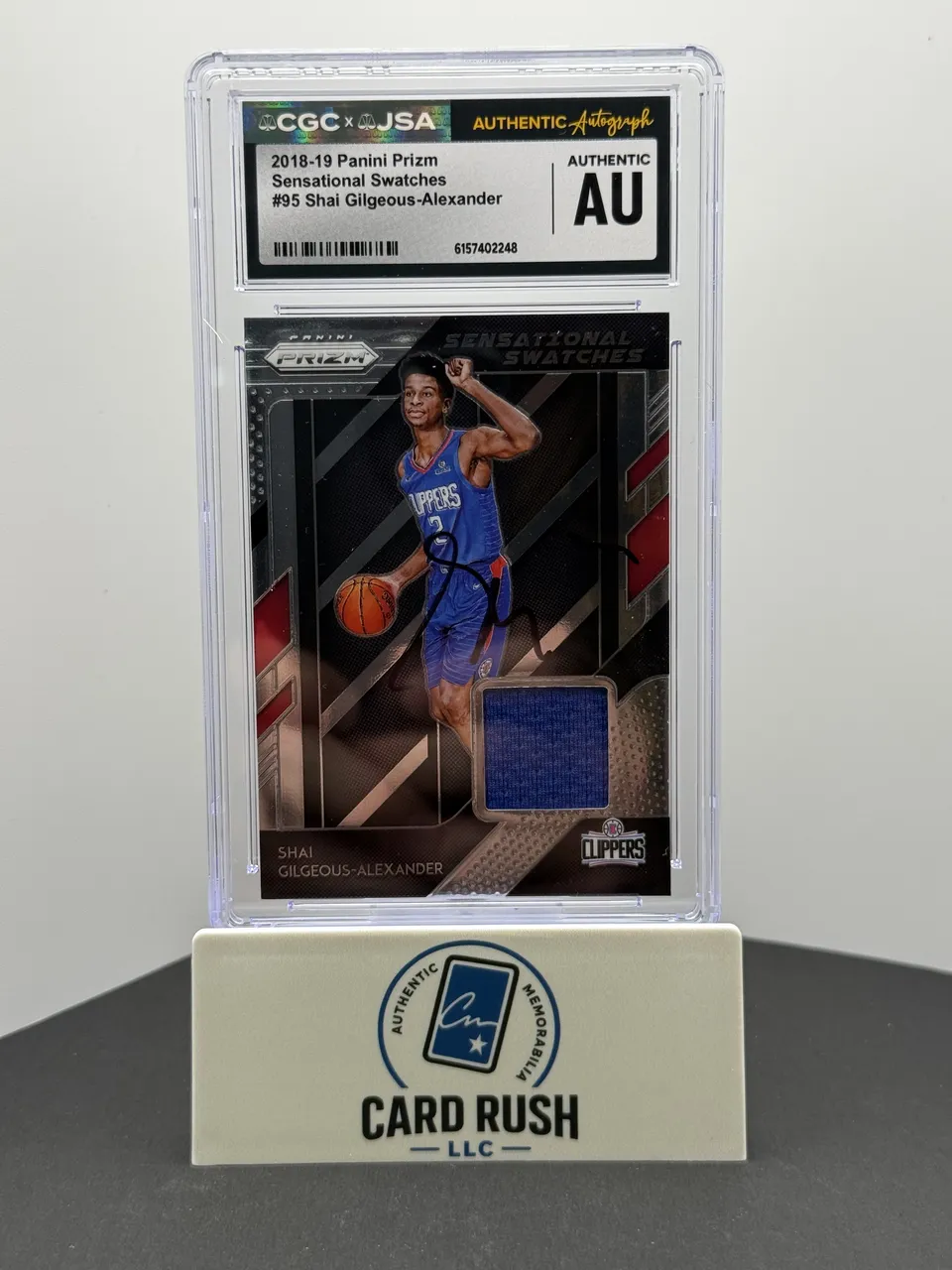
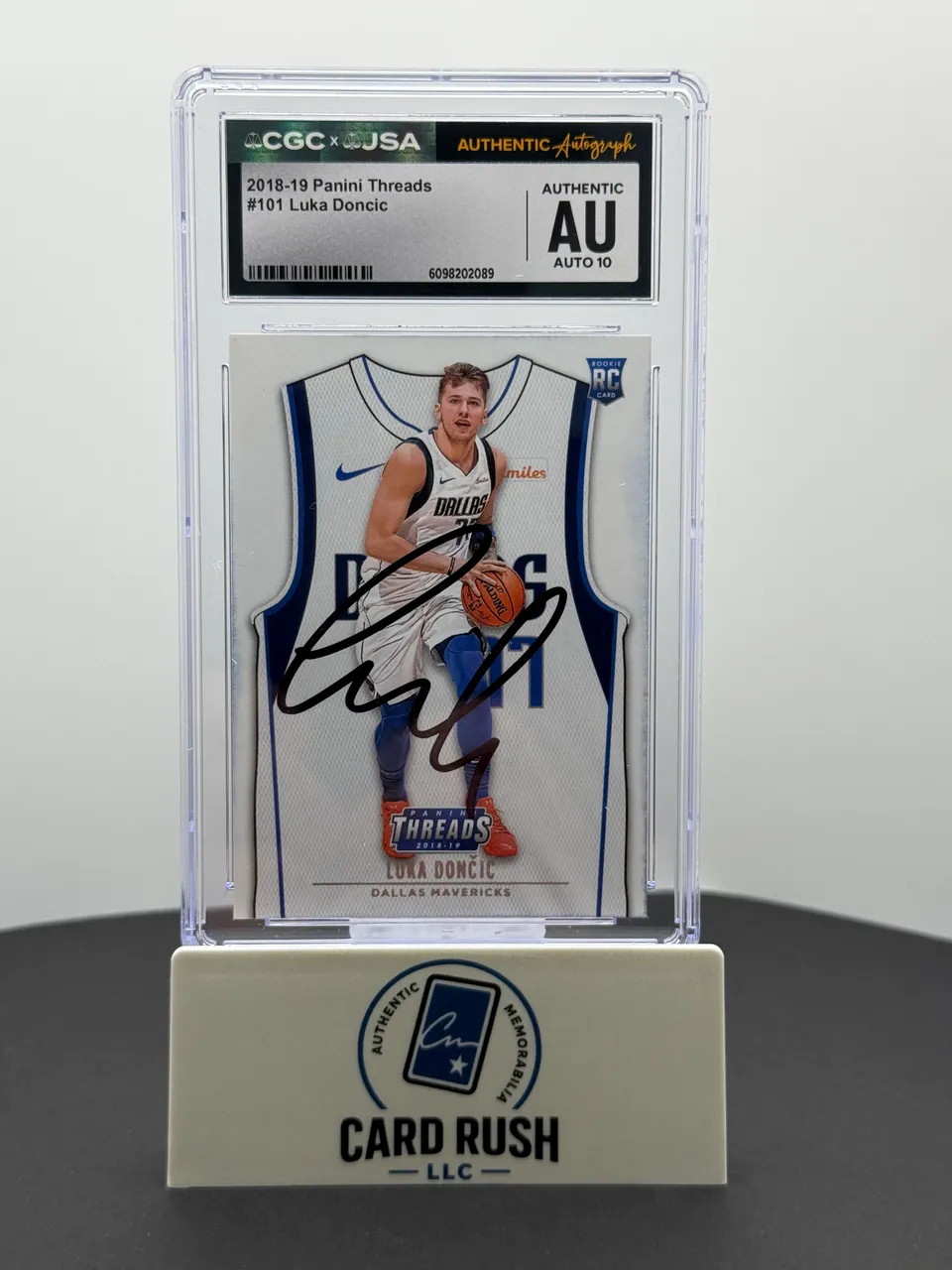
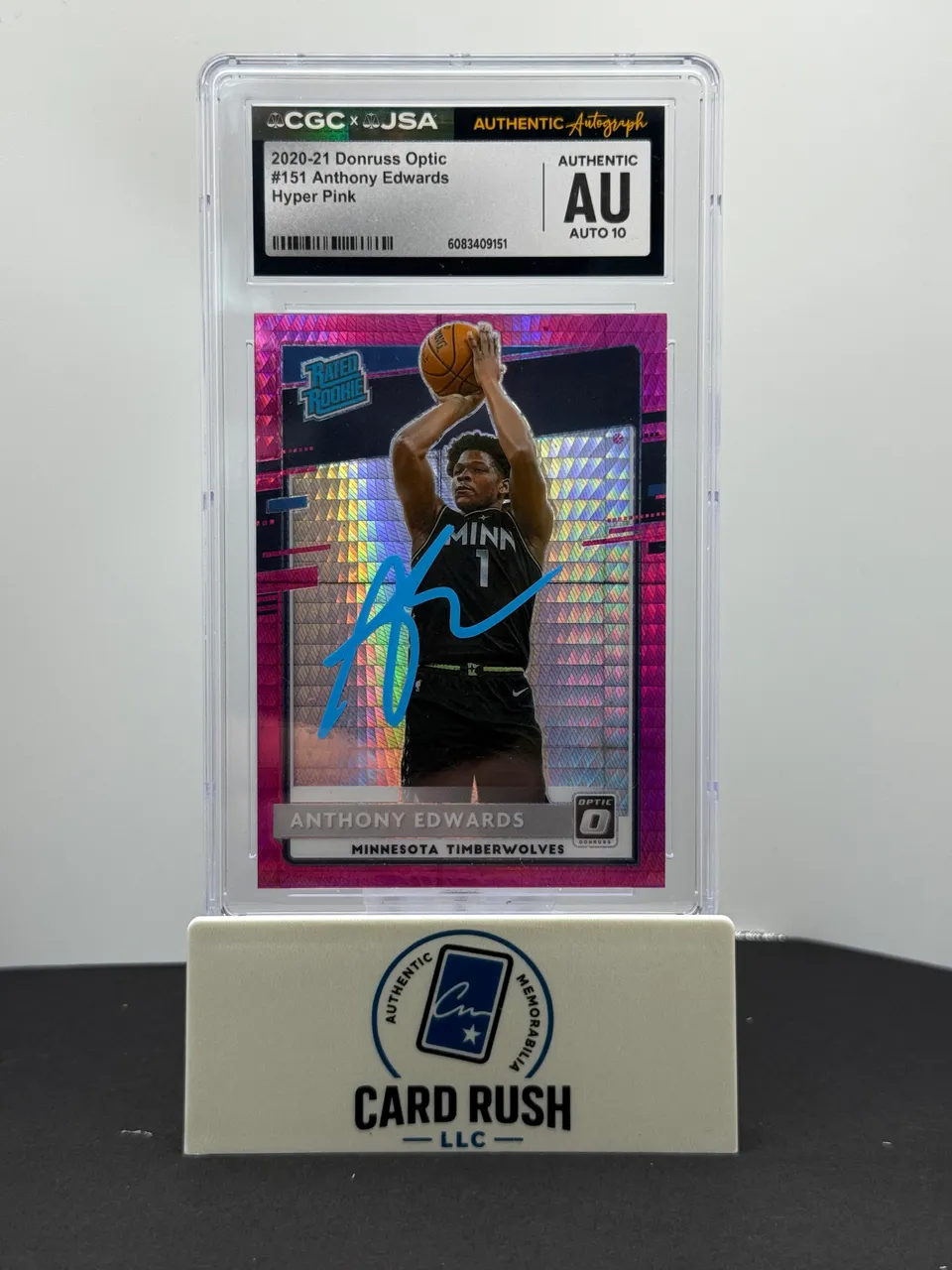
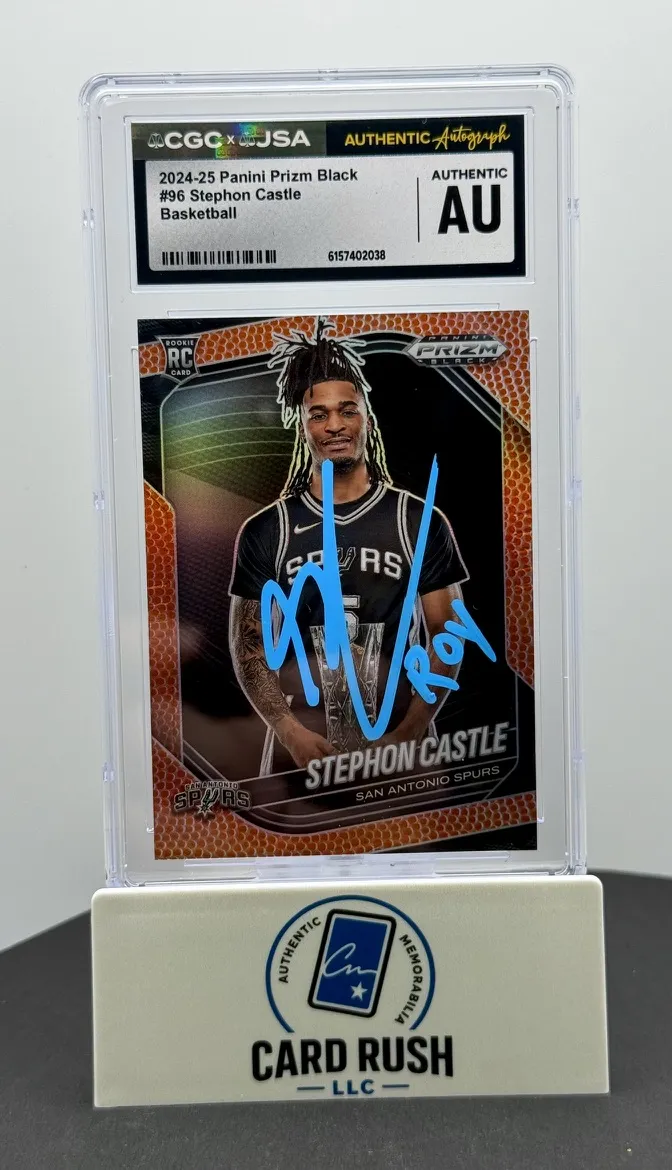
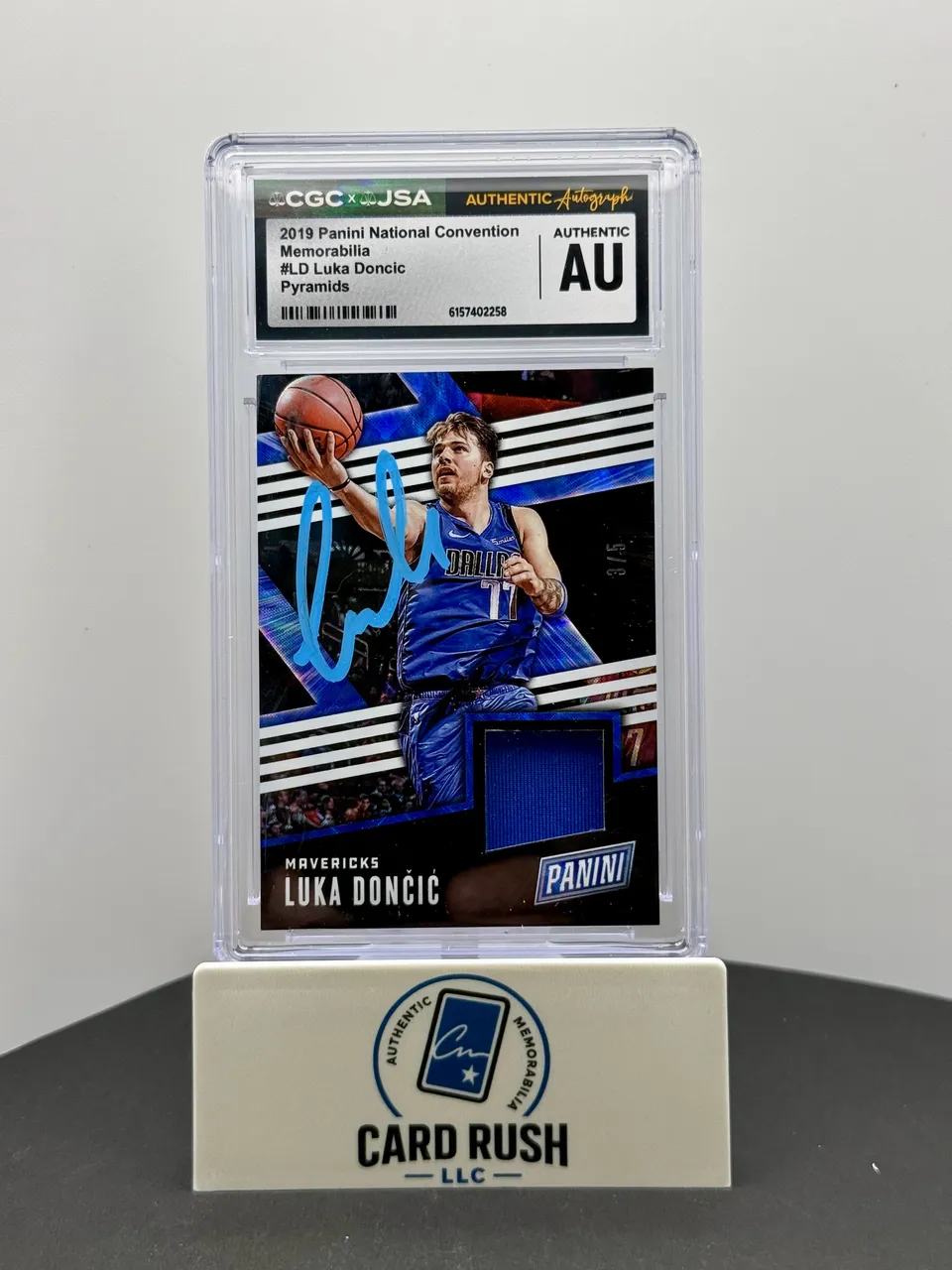
Welcome to Card Rush Museum—where every artifact has a story.
Card Rush is a father-and-sons museum of basketball autographs signed in person. A player, a paint pen, and someone close enough to ask. Every signature goes down once, by hand, and no two come out the same — so each card here is the only one like it. Most of them we watched get signed, and filmed. Where we didn't, we say so.

Extraordinary experiences deserve to be preserved.
Two kids, a paint pen, and a spot at the rail.

It became a business because we got good at it. It became a museum when we finally worked out why.
Here's why.
An in-person autograph has nowhere to live in this hobby. It isn't a pack pull, so no manufacturer ever guaranteed it. It isn't a vintage slab with forty years of paperwork behind it. It's a player, a pen, and somebody standing close enough to ask — and the market has never known how to value that.
So the market defaults to what it can verify. Pack-pulled rules, because Topps and Panini say so, printed right there on the card.
Fair enough. If authenticity is the problem, let's talk about authenticity.
A manufacturer's guarantee is a company's word. We filmed ours. Where we filmed it, you can watch the pen touch the card in one unbroken shot, with a date on it. You don't have to take our word for anything. You have your own eyes.
That isn't a lesser kind of proof. It's the only kind that doesn't ask you to trust somebody.
And we don't stop there, because we don't think you should have to. Trust, but verify. Nothing leaves this Museum on our own footage: every in-person autograph is authenticated and encapsulated by CGC or JSA first, so the artifact joining your collection carries a judgment that isn't ours.
And once you've watched it happen, the thing stops being cardboard in plastic. Every one is signed once, by hand, differently, and there is no second copy anywhere to compare it to.
That's not a collectible.
That's art.
We built a museum to prove it
Nothing here is ranked. A building is a different kind of encounter, not a better one — and where an artifact lives depends on what it is, never on what it costs.
The Learning Hub runs through all three. So do the artifacts. Search a player and you will find everything the Museum holds on him — the stories, the portraits, the cards that are here, and the ones that aren't anymore.
Where the stories are kept.
These are the pieces that shaped our journey as collectors — the grails that taught us, inspired us, and brought us closer together. Each one carries a story, a moment, and a lesson. This is where the Card Rush Museum begins.
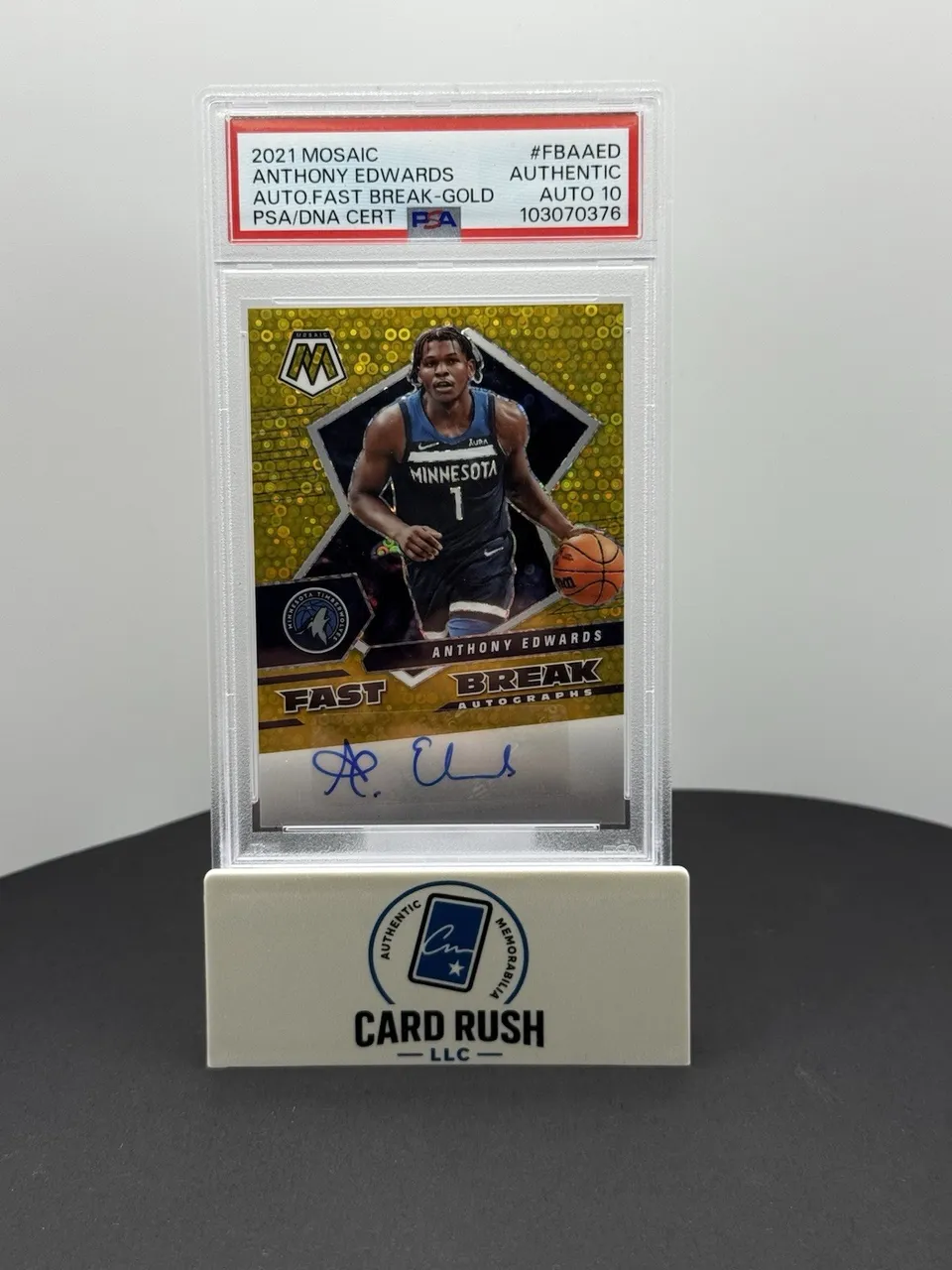
I’ll never forget the moment this card came out of the pack. It didn’t just appear — it hit. The corners were sharp, the surface clean, and the autograph looked perfect. For a second, I thought I had pulled something unreal. Dad saw it too. We both felt that surge — that maybe this was a true 10‑10.
Waiting for the grade felt like forever. When it came back auto‑10, I was disappointed for a moment… but only a moment. Because the truth is, this card meant more to me than any number. I pulled it myself. I felt that rush. And that feeling changed everything.
This was the card that made me fall in love with collecting. It made me want to learn, to chase, to understand what real value looks like. My younger brother Caeden jumped in with me. We started going for in‑person autographs, meeting players, and seeing the hobby up close — not just online, not just in pictures, but in real life.
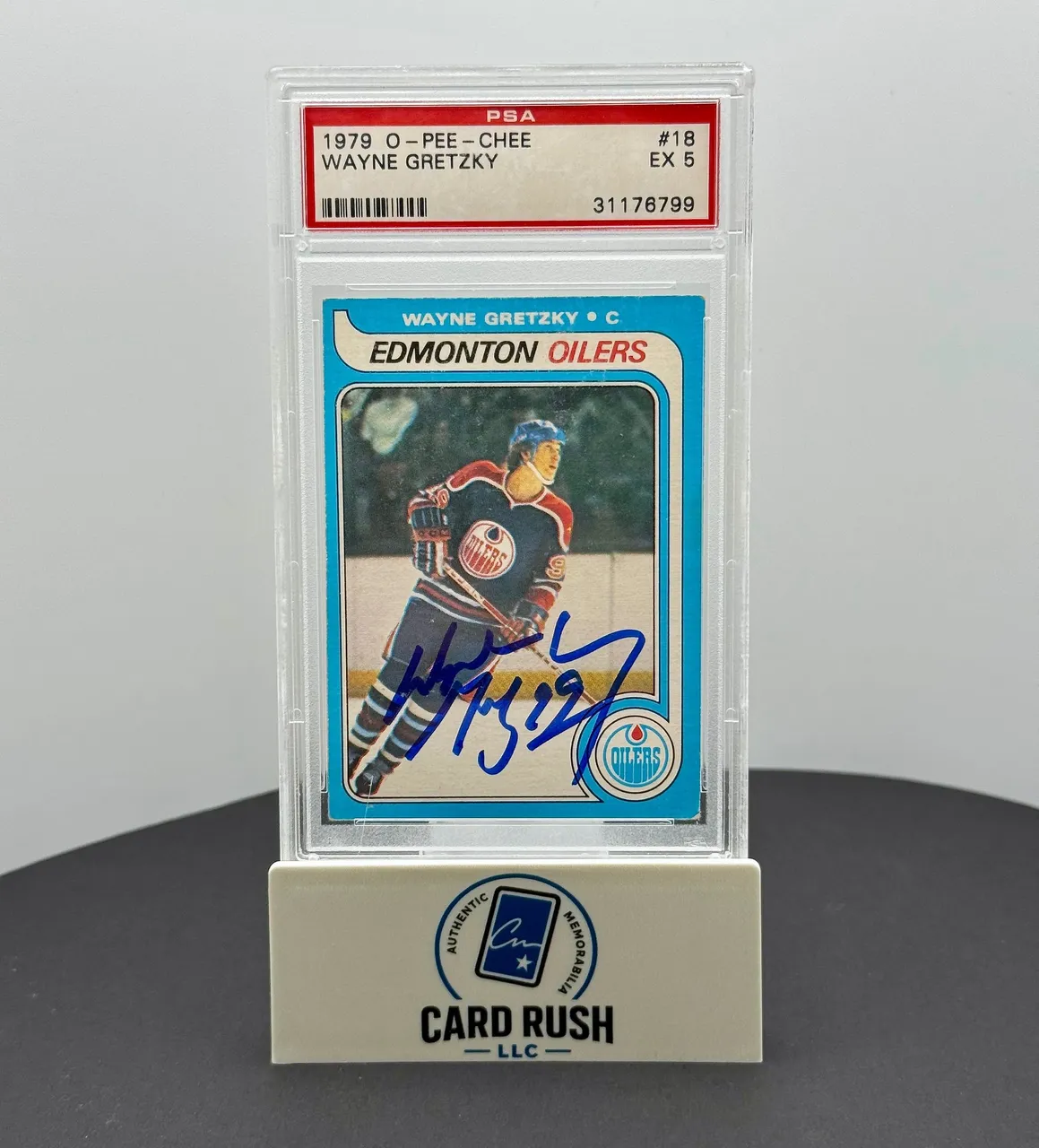
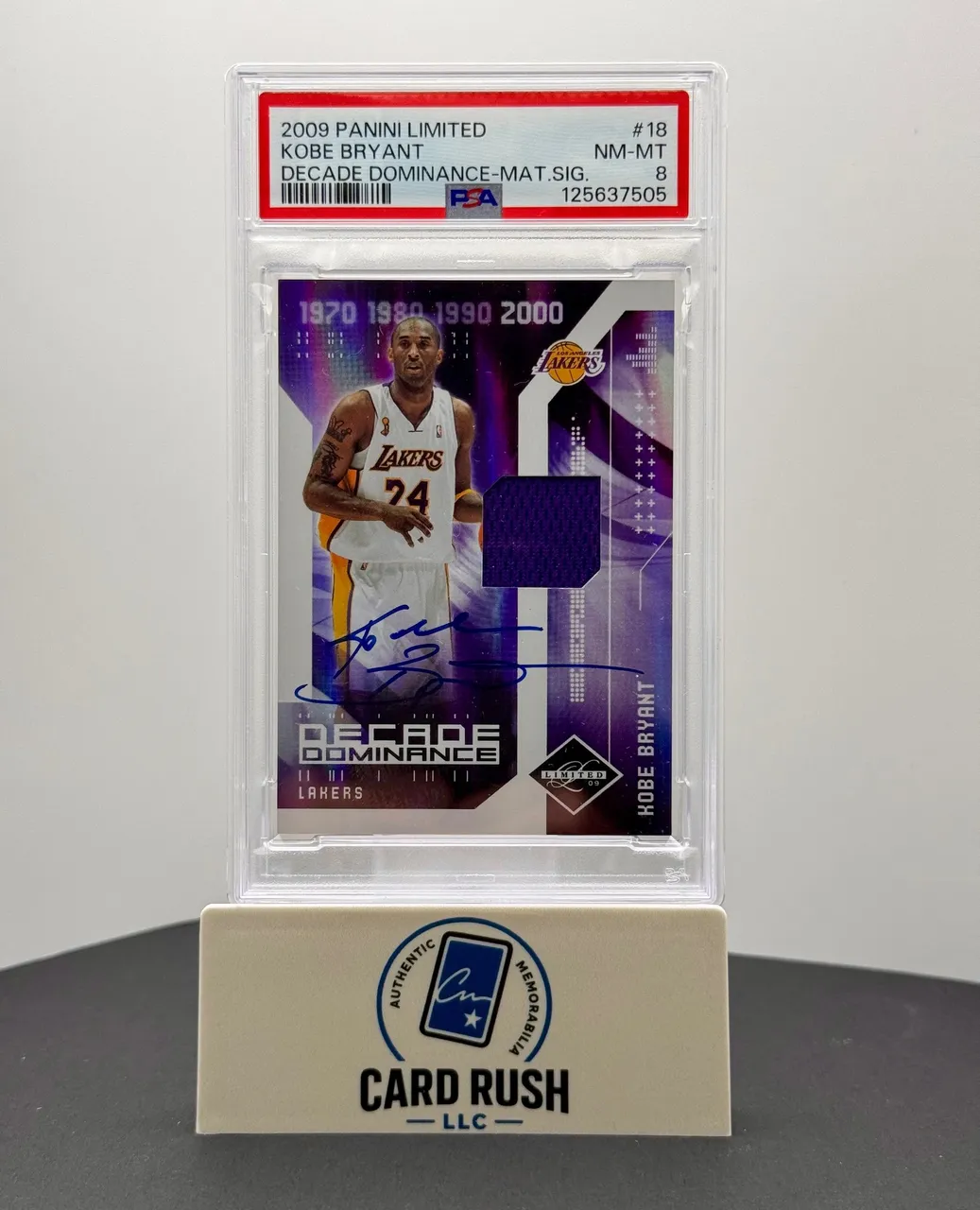
Dad showed us the grails that shaped his own journey — his in‑person signed Gretzky rookie, and the Kobe patch auto he calls his centerpiece. Seeing those cards, and holding my first big pull, made me realize something: collecting isn’t just about what a card is worth. It’s about the story behind it.
This card is where my story begins.
This is my first rush.

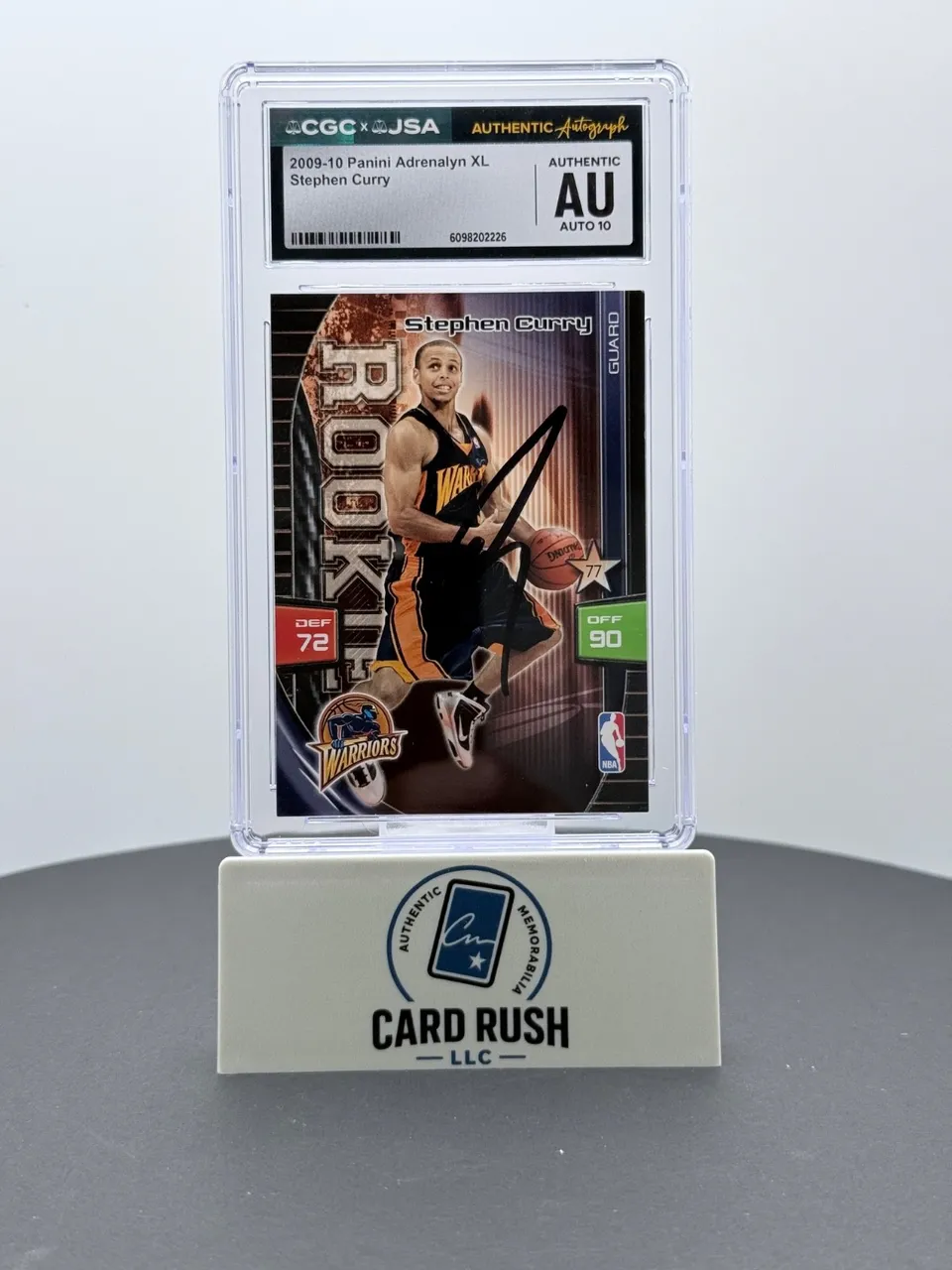
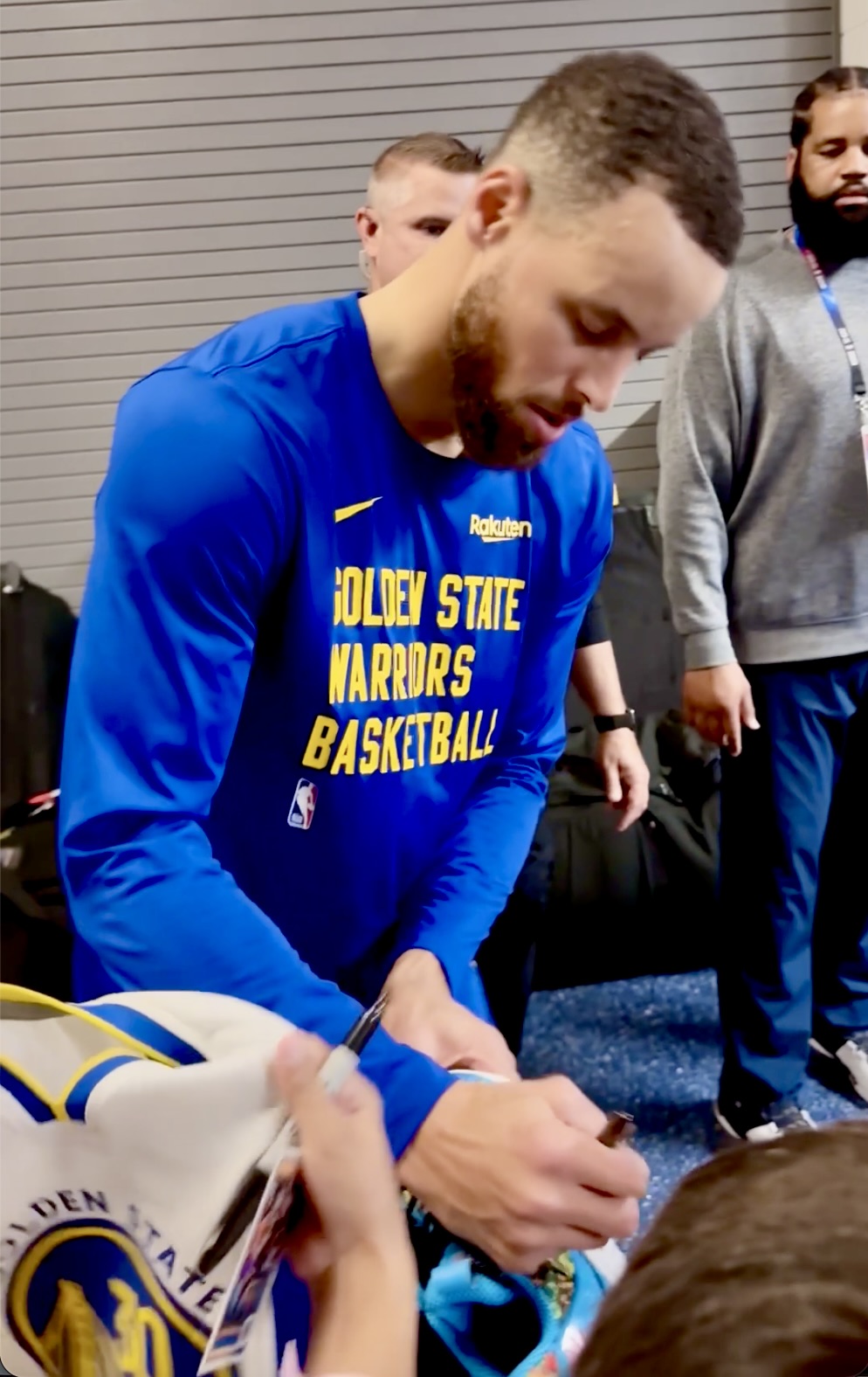
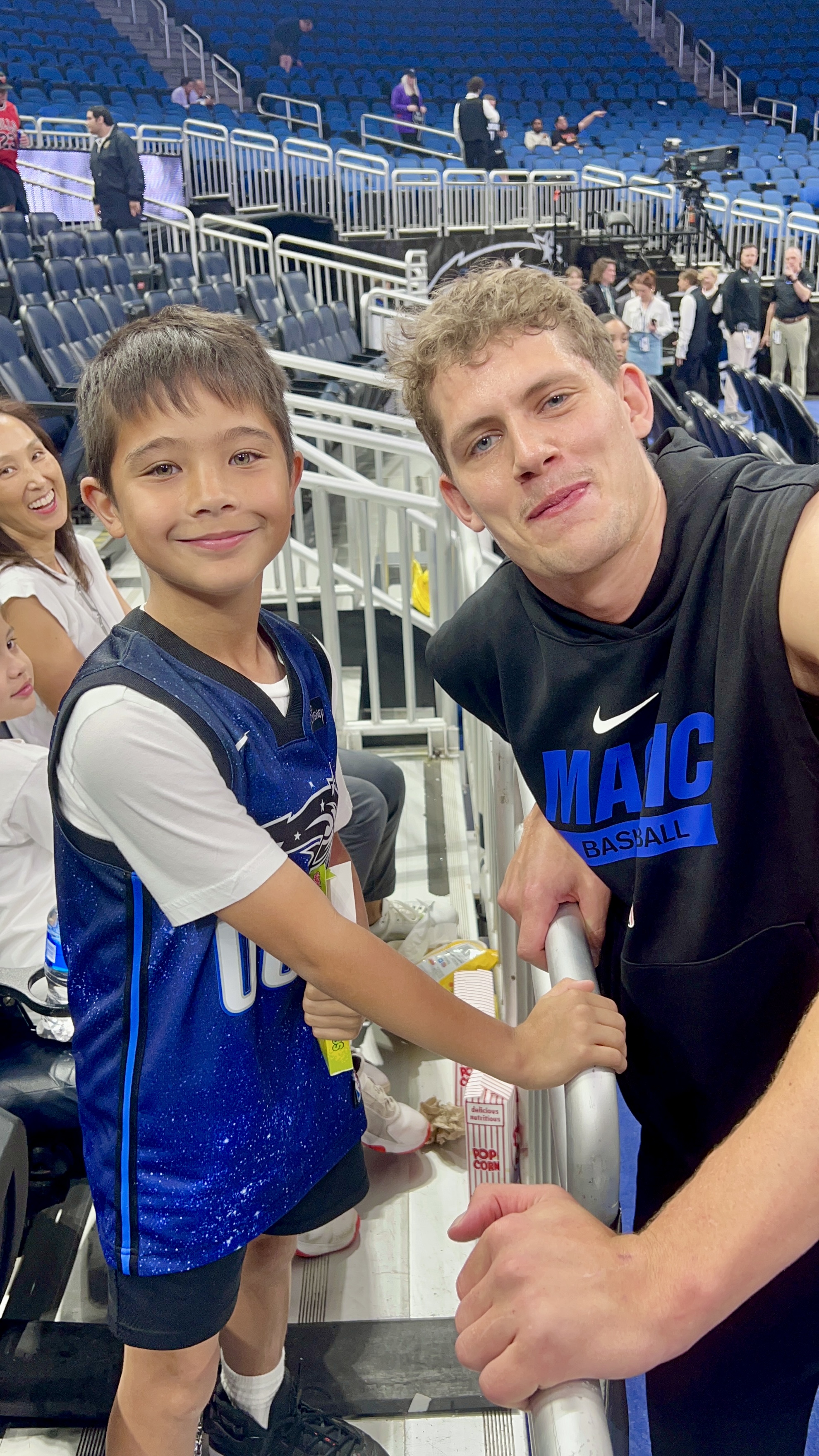
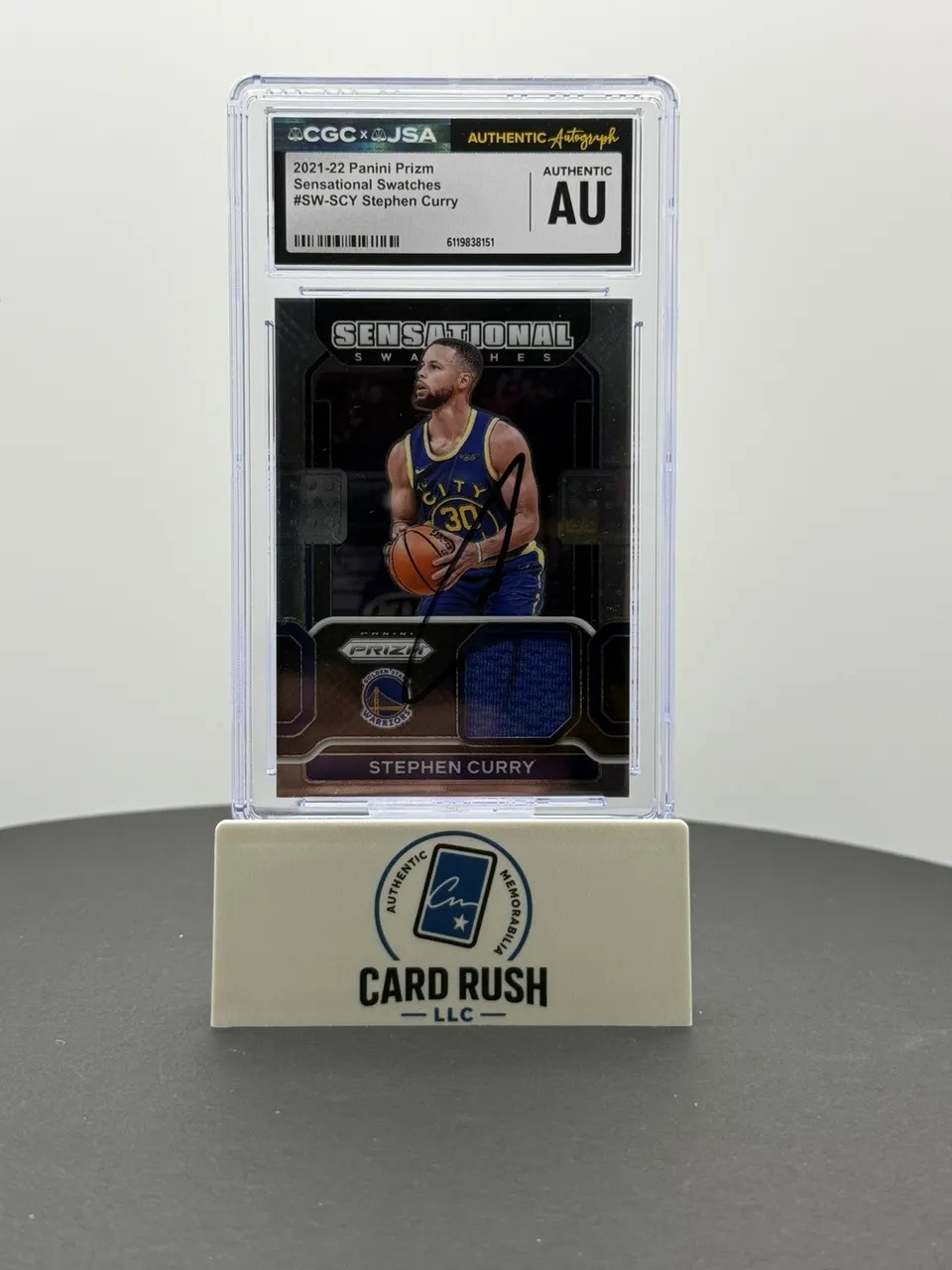
I was nine when Steph Curry stopped in the tunnel at Kia Center and signed my rookie card. I couldn’t believe he was right in front of me — actually signing something I was holding. I watched the marker touch the card. I watched him hand it back. It felt like the biggest moment of my life.
PSA rejected it even with the video of him signing, and I didn’t understand how they could say it wasn’t real when I saw it happen. CGC/JSA authenticated it and gave it an auto 10, proving the moment was exactly what I knew it was.
This card is more than an autograph. It’s the memory of meeting Steph Curry at nine years old, the shock, the excitement, and the feeling I’ll never forget. It’s the moment that made me fall in love with collecting.

The two cornerstone cards that built the Card Rush legacy.
Every museum has a beginning. For Card Rush, it began with a father who believed that collecting could be more than cardboard — it could be a legacy. These two grails represent the foundation of that legacy, the spark that inspired Christian and Caeden to build their own exhibits and continue the chase.
The Wayne Gretzky O‑Pee‑Chee rookie autograph stands as the first true cornerstone — a card that transformed a simple collection into a lifelong pursuit. The Kobe Bryant Decade Dominance on‑card auto patch completes the pair, symbolizing perseverance, passion, and the thrill of the hunt.
Together, these grails form the origin story of Card Rush: a father’s passion passed down, preserved, and displayed for generations.


Beyond the origin story, the collection keeps growing. Some pieces the family holds onto for good — the Curator's Collection, kept and displayed, never transferred. Others come with a story we're ready to pass on to the next collector, and those hang next door, in the Art Gallery.
These are the family's own keepers — pieces we've chosen to hold onto and display rather than sell. They are the Museum's permanent collection.
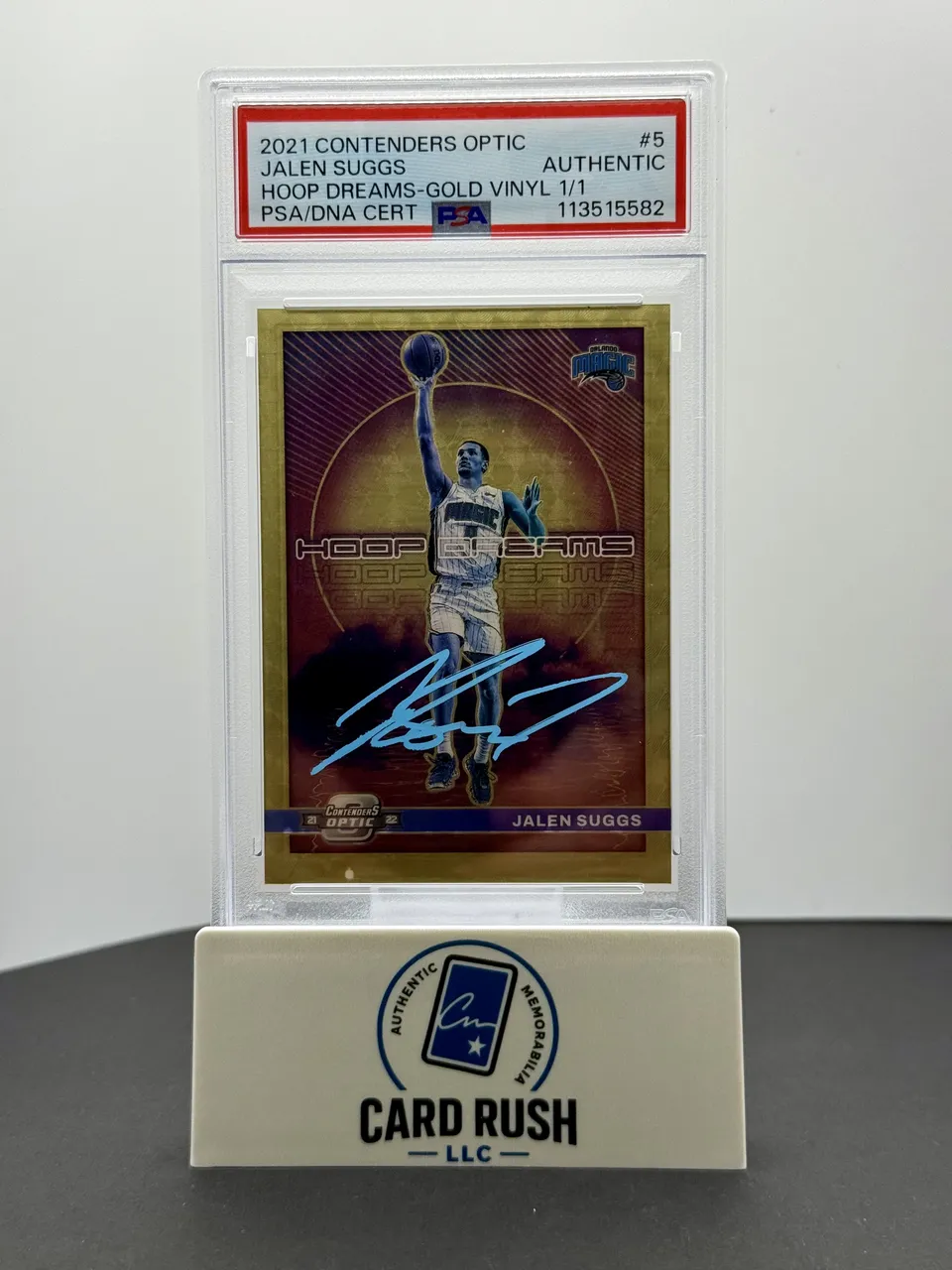
A friendship built one tunnel visit at a time, sealed with a gold vinyl one-of-one.
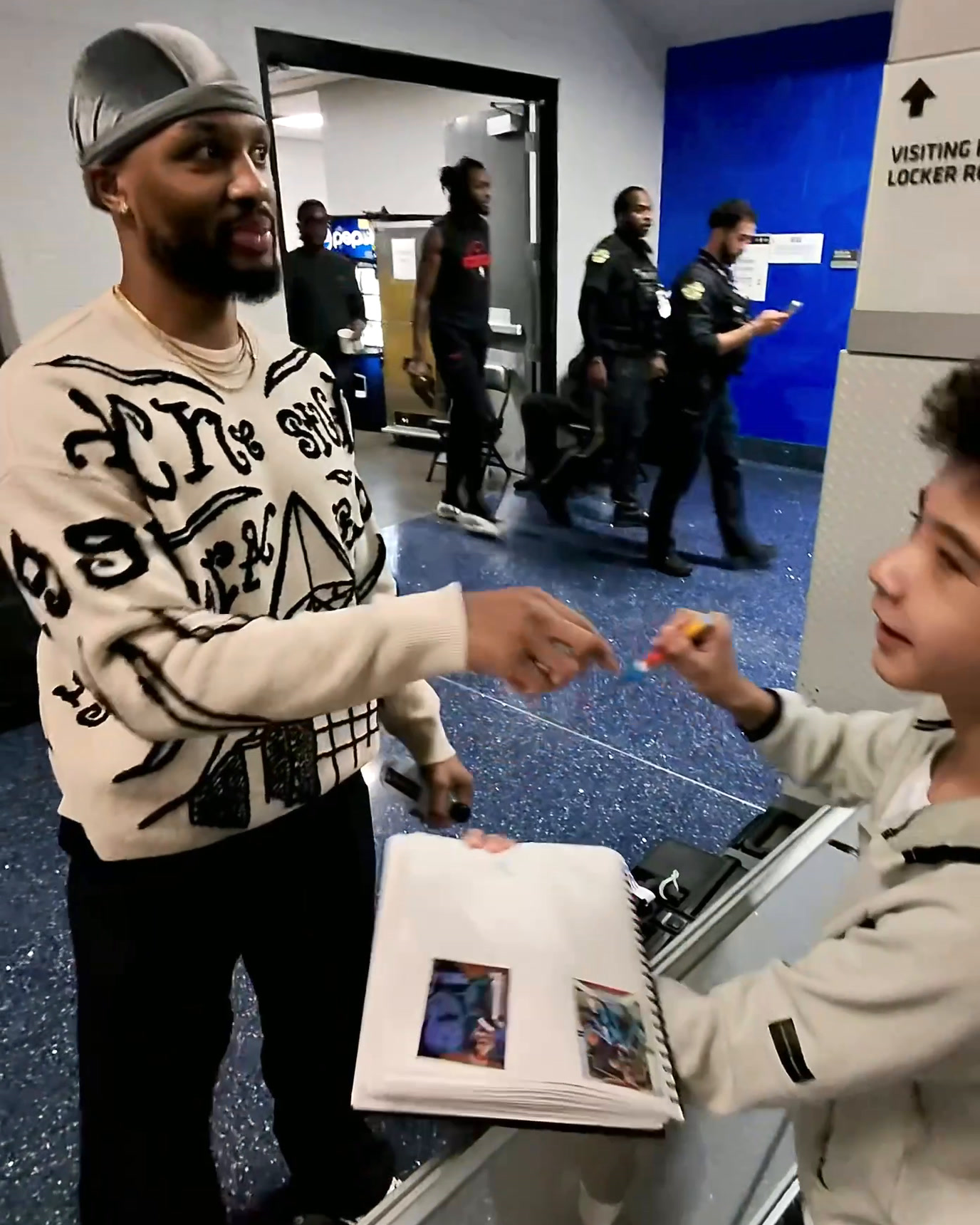
It wasn't a one-time thing. Every single game, without exception, Jalen would stop and say hello to Christian. He'd sign whatever card Christian held out for him, no hesitation. Eventually Christian started bringing him cards to keep — not to sign, just to give. Jalen caught on fast. "Are you blessing me another card?" he'd ask, and Christian would nod back, enthusiastic every time.
I knew Christian wanted a one-of-one more than almost anything. So when I found it — a gold vinyl Jalen Suggs rookie, the ultimate version of a card from one of his favorite NBA players — I knew exactly what it had to become.
I found Jalen in the tunnel and asked if he'd sign it. When I told him it was going to be Christian's Christmas present, he didn't hesitate. He signed it beautifully, exactly like you see it now.
I can't fully describe the look on Christian's face when he opened that present. It became the most coveted piece in his entire collection, and it didn't happen because of luck or money. It happened because of years of a kid saying hello, and a player who always said hello back.
Some autographs are transactions.
This one was a friendship, signed in gold.

Jalen blessing Christian with game worn shoes
As seen in the reel — this is a story of the moment and the player, not one single card, which is why it isn't tied to a single artifact here.
Some autographs are just ink. This one was a beginning.
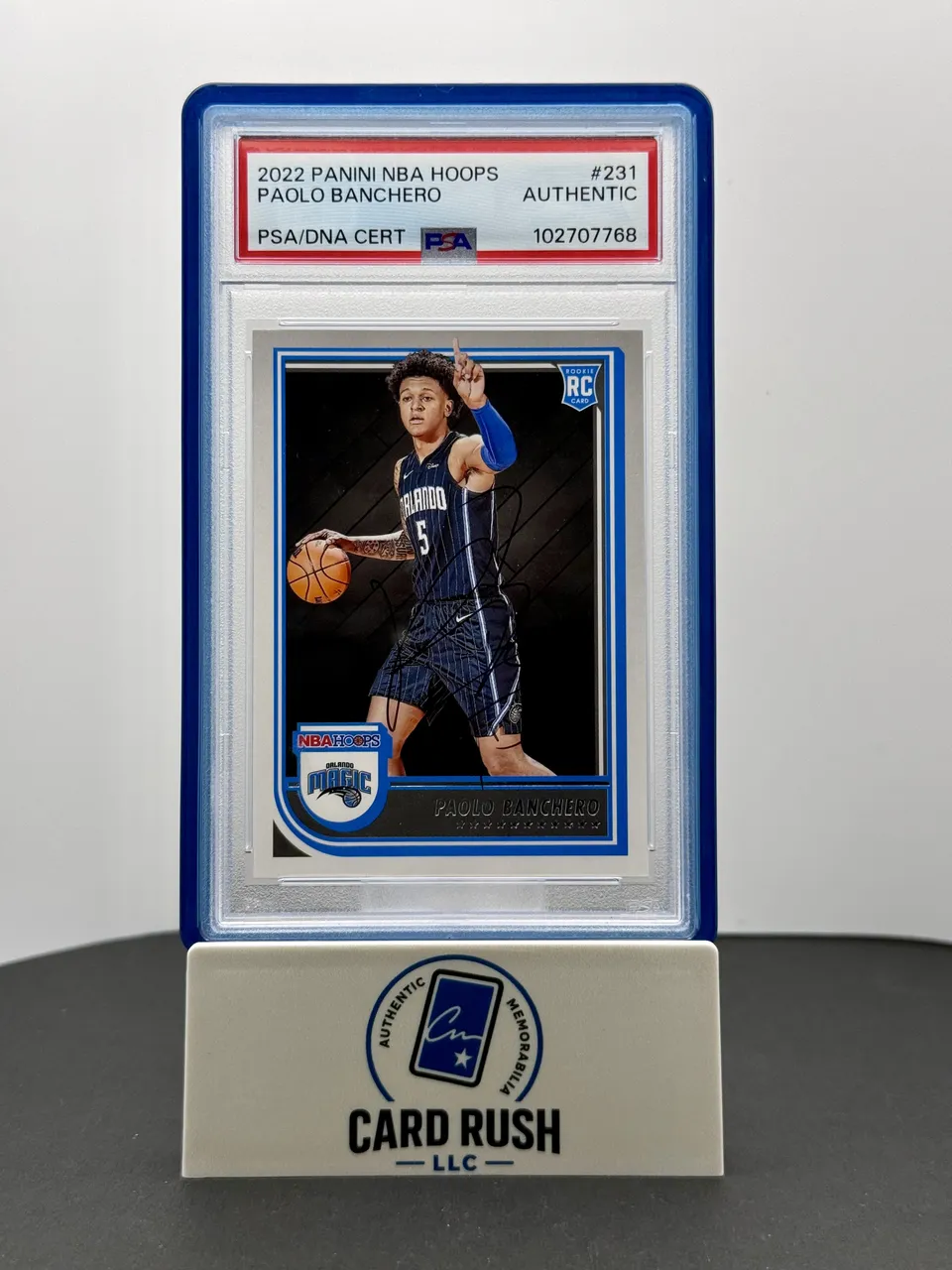
The tunnel was nearly empty. Most of the players were still on the court, still in the locker room, still anywhere but here. Then, down at the far end, someone started walking back alone. From that distance, we couldn't tell who it was.
Christian could. He recognized him before I did — Paolo Banchero, still early in his sophomore season, and Christian already had the rookie card in his hand, waiting for exactly this kind of moment without knowing it would actually come.
Paolo wasn't looking our way, so I spoke up to get his attention. He glanced over first with a look that was more skepticism than anything — another kid, another card, another request in a hallway full of them. I asked if he'd sign for Christian. The moment he actually looked at Christian, something in his face changed. He smiled, and he took the card.
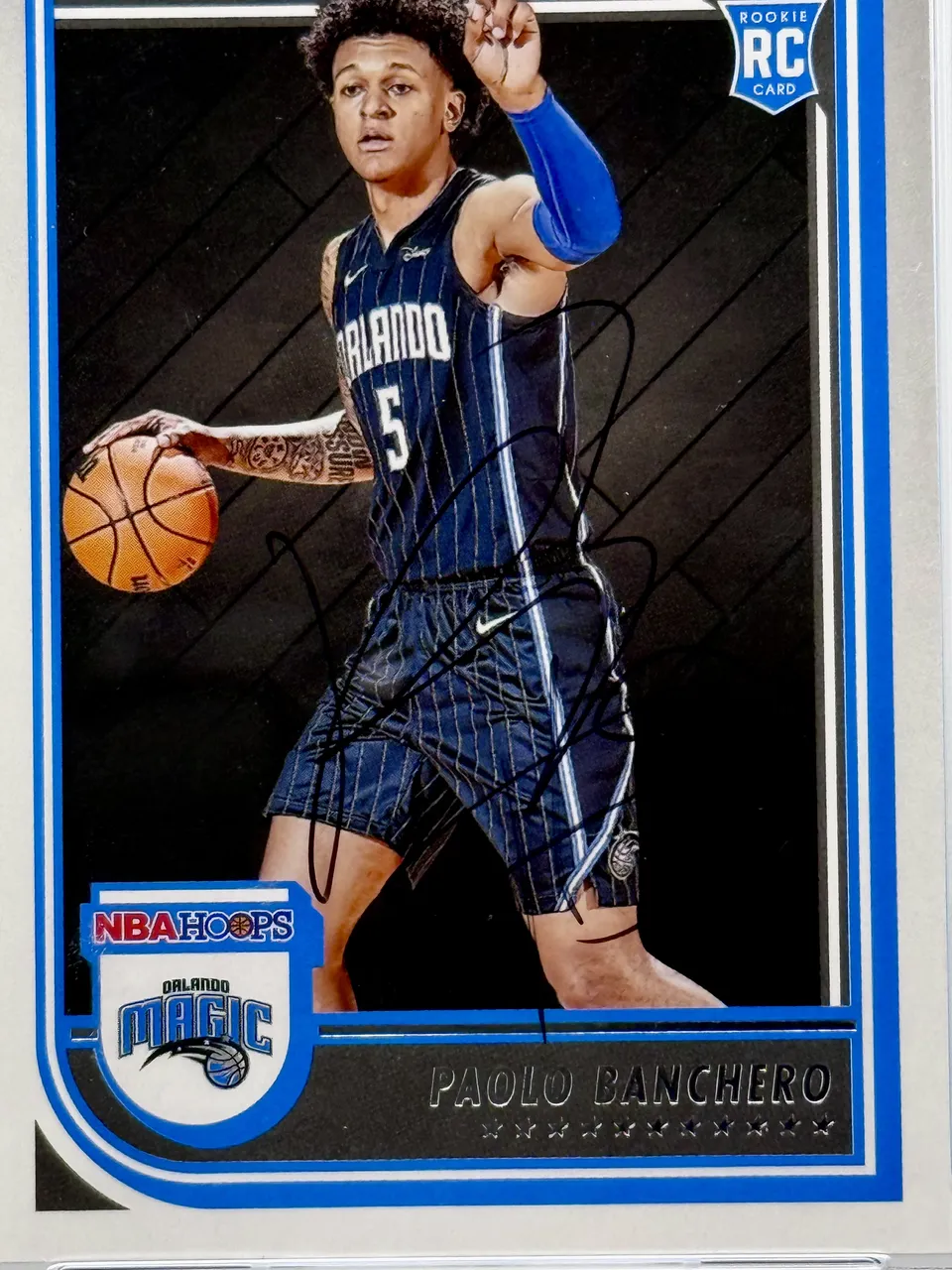
It was our first "superstar" signing, in quotes, because at the time that's exactly how it felt. Paolo signed it in plain black ink on a dark background — no flash to it, nothing that would have caught your eye at a card show. But he didn't just put his usual "PB." He added "#5" beneath it. We didn't think much of it in the moment. It was only later that we understood that wasn't something he did for everyone.
It was a simple autograph, on a simple card, in a mostly empty tunnel.
And it was the first step of a road Christian's been walking ever since.


Christian with the steal and bucket at P5 Camp, 09/28/2024
As seen in the reel — this is a story of the moment and the player, not one single card, which is why it isn't tied to a single artifact here.
The people who hold a particular place in this Museum — each for a reason this family can point to. Some shaped the game, or shaped us, long before we ever got there.
Here is the evidence, not just our word for it. Every story in this wing is anchored to real footage from the moment itself — some prove the exact artifact on camera, others prove the experience around it. Either way, it's documentation of context and presence, not a substitute for PSA/BGS/SGC/CGC/Beckett/Topps/ Panini/Fanatics authentication of the autograph itself.
The exact artifact, continuously documented on camera, becoming the artifact — the strongest evidence there is. Not reliant on memory, testimony, or trust.
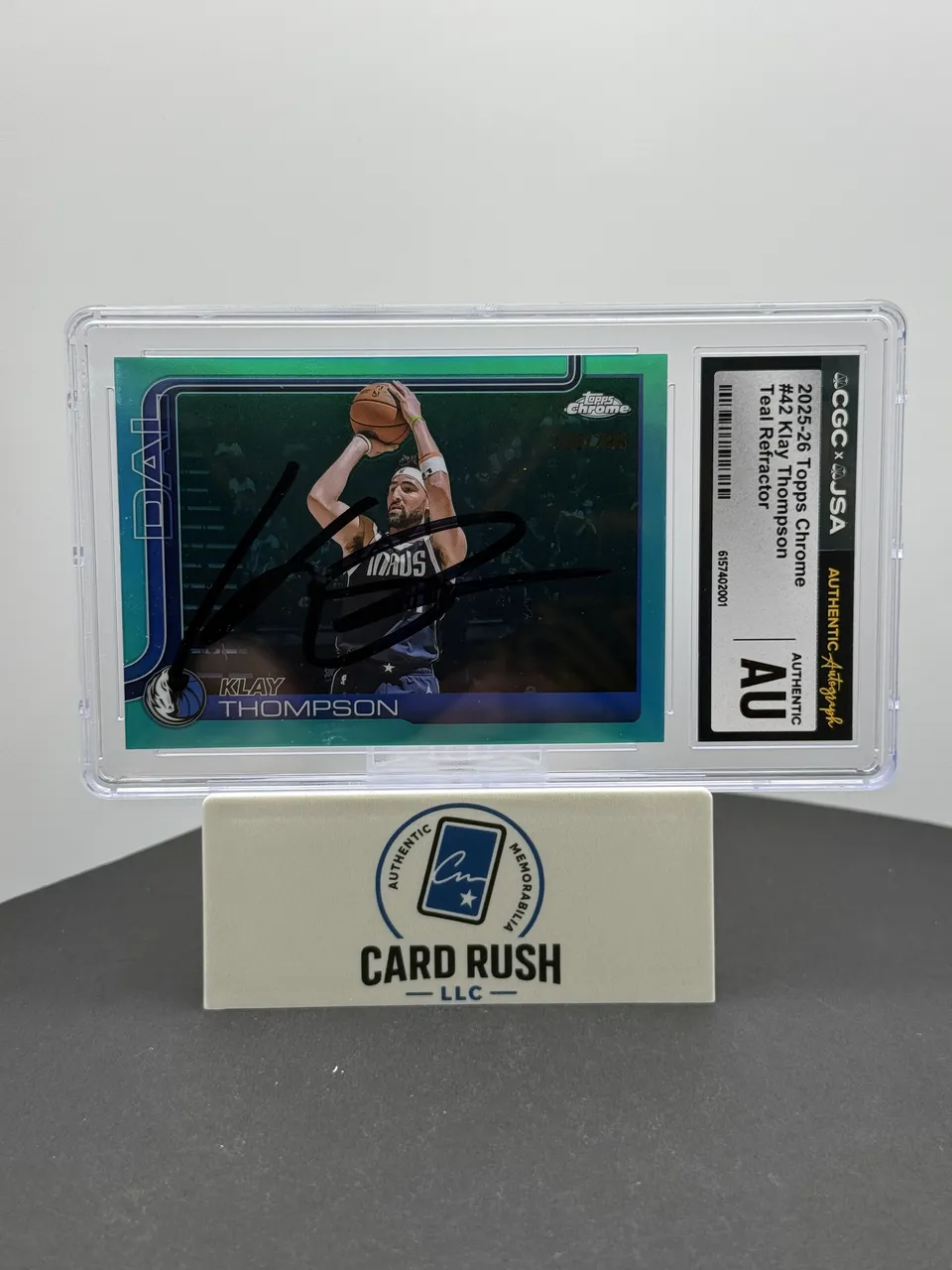
We'd seen Klay Thompson in the tunnel before. This time was different.
For years, we watched Klay Thompson come through the tunnel in a Golden State Warriors jersey, and he never seemed like he wanted to be there. Aloof. Distant. Not unkind, just uninterested. We stopped expecting much.
So when the Mavericks came to the Kia Center to play the Magic, we didn't walk in with high hopes for Klay. But the player who came back through that hallway after warmups wasn't the one we remembered.
He was relaxed. Happier, in a different headspace. He stopped for photos, signed for nearly everyone waiting, and seemed genuinely glad to be there. For a few minutes, we got to see one of the real Splash Brothers enjoying his fans instead of enduring them.
Among what he signed that day was a numbered 2025-26 Topps Chrome Teal Refractor -- his card, his signature, from an afternoon we didn't expect to matter as much as it did.
That's the thing about the tunnel: you never know which version of a player is going to walk through it. This time, we're grateful it was this one.
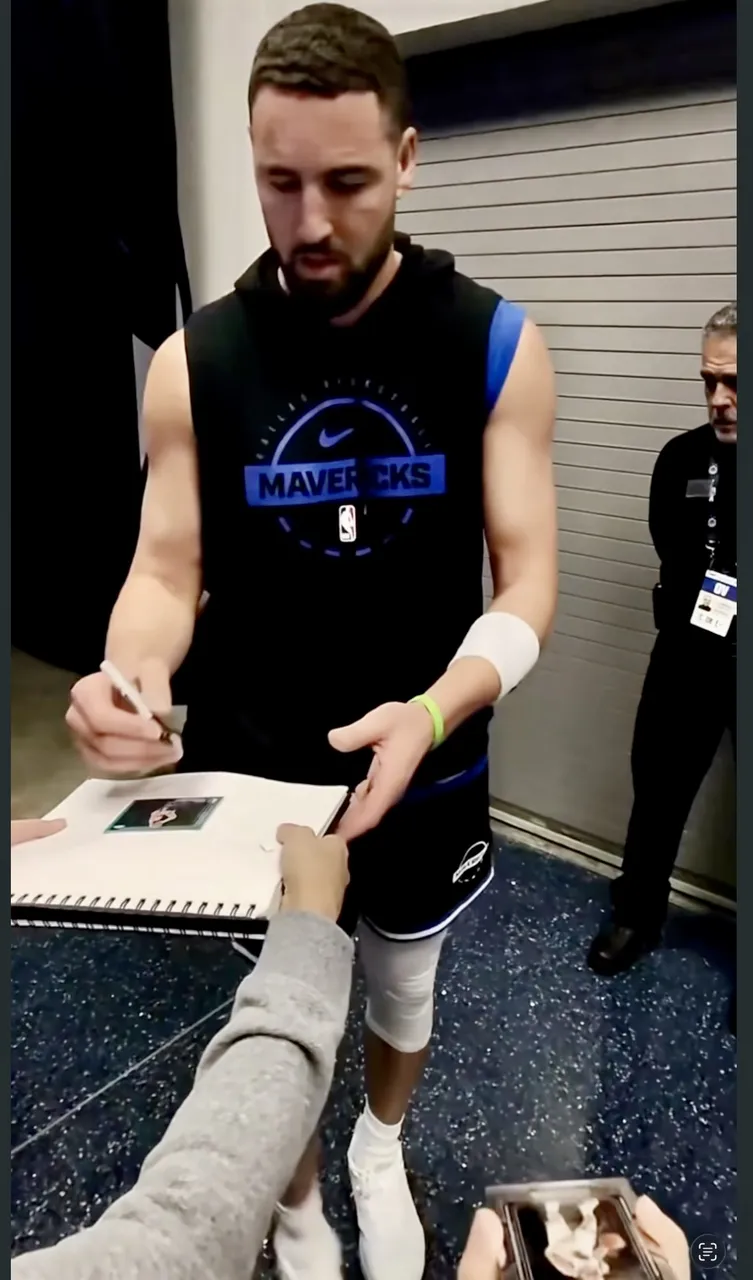

Kia Center, Orlando, March 5, 2026

Filmed in the Tunnel, Kia Center, Orlando
The only way to get his rookie signature on an NBA-licensed card — and we watched it happen in a hallway.
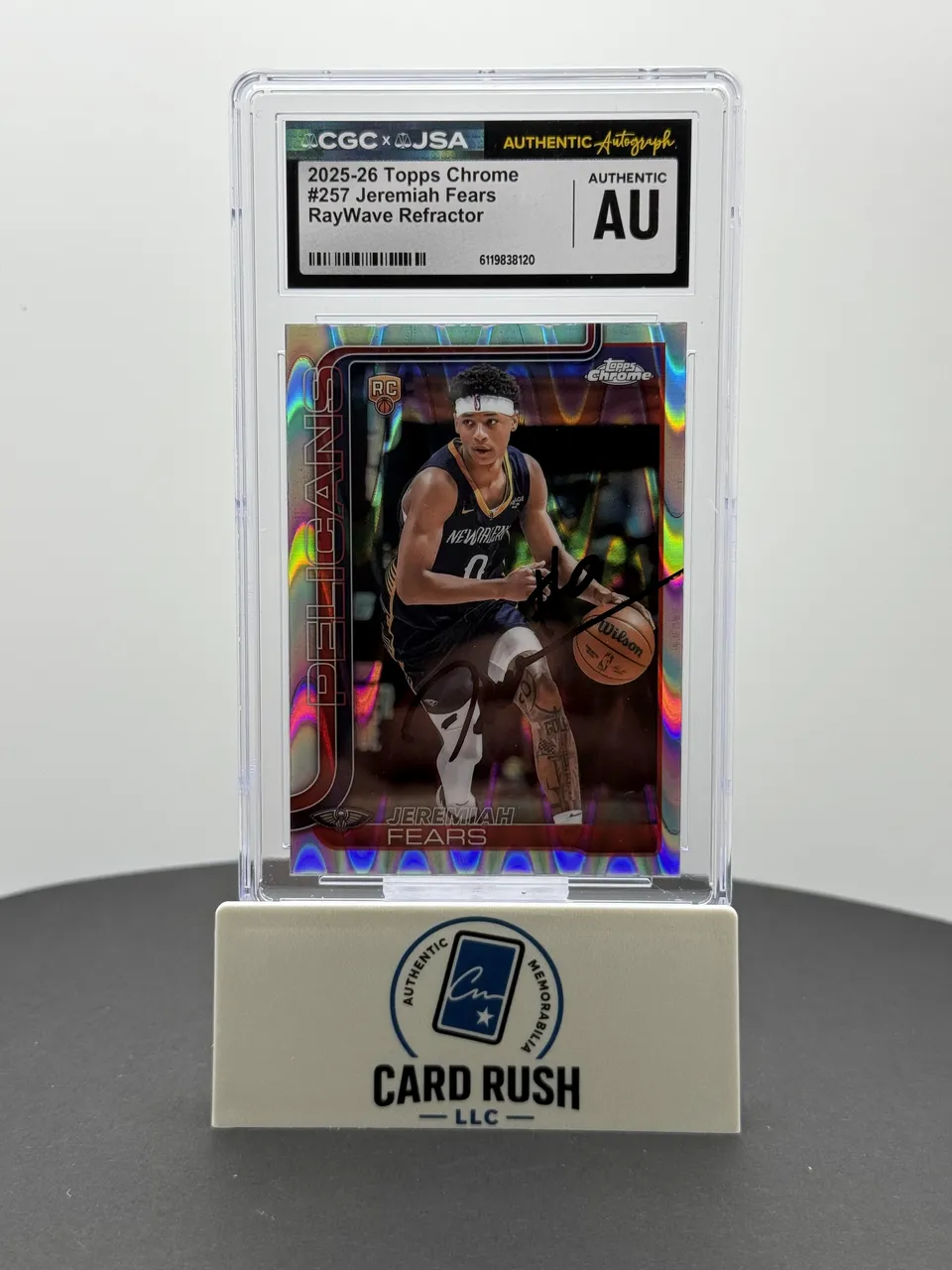
Jeremiah Fears wears the number zero on his jersey. No Fears. Both boys are drawn to him for exactly that reason — the way he plays like the number on his back is a dare, not a decoration. It's his rookie season with the Pelicans, and they were genuinely nervous waiting for him in the tunnel — the good kind of nervous, the kind that comes right before meeting someone whose game you actually love.
He didn't let them stay nervous for long. Fears stopped completely — a card for each of the boys, and one for me as well. His only ask was black ink. We'd learned that lesson before, so we came prepared with a paint pen.
Here's what makes this one worth explaining: Fears signs exclusively for Panini. But Panini no longer holds the NBA license — Topps does — and Topps can't put his autograph on anything pack-pulled. Which means there is currently no way to pull an NBA-licensed rookie autograph of Jeremiah Fears from a box. An in-person signature, witnessed and documented, is the only version that exists. This is that version.
Caeden handed him the RayWave Refractor. Fears set it on the book and signed it start to finish, the camera never leaving the card — then, without missing a beat, signed one of my own cards on the same book before he moved on. That continuous, uninterrupted footage is what makes this a Provenance Artifact — not reliant on memory or trust, just the tape.
There's a second card from that same night that's a little more human. It's on film too, but I looked up mid-signature — the glasses catch a lot, but not everything — so only part of that autograph is documented on camera. Christian's own Fears card came later, signed off to the side, no camera on it at all. Both are just as real. They just don't carry the same kind of proof this one does.
The tunnel doesn't care what license anyone holds — that night, all it took was two nervous boys, a black paint pen, and a rookie who didn't hesitate.
Kia Center, Orlando, January 11, 2026
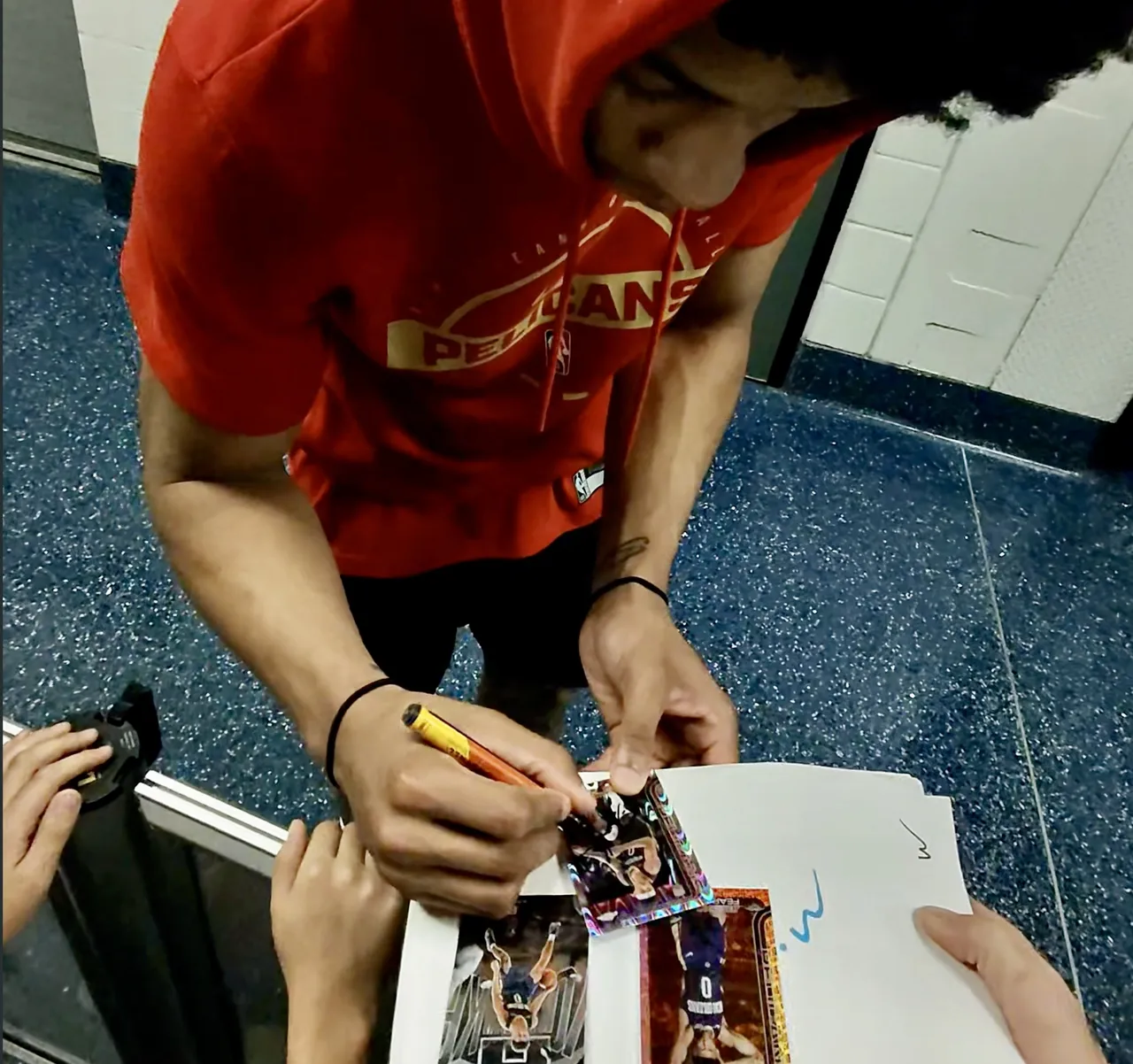
Kia Center, Orlando, January, 11, 2026

The experience and access, documented and witnessed firsthand — even where the exact artifact isn't continuously provable from the footage alone.
Our first draft pick from our first season with season tickets, signed live in the tunnel.
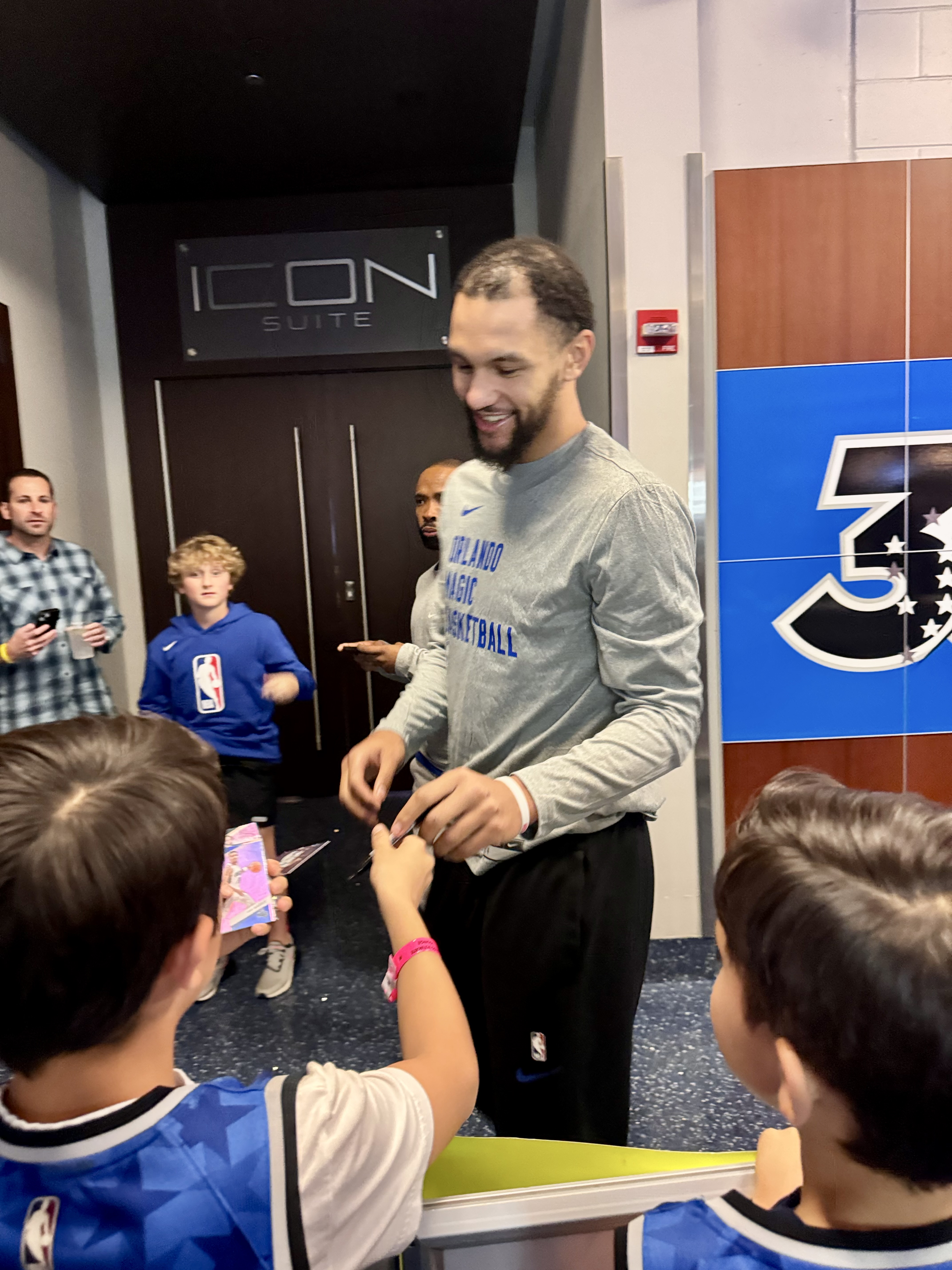
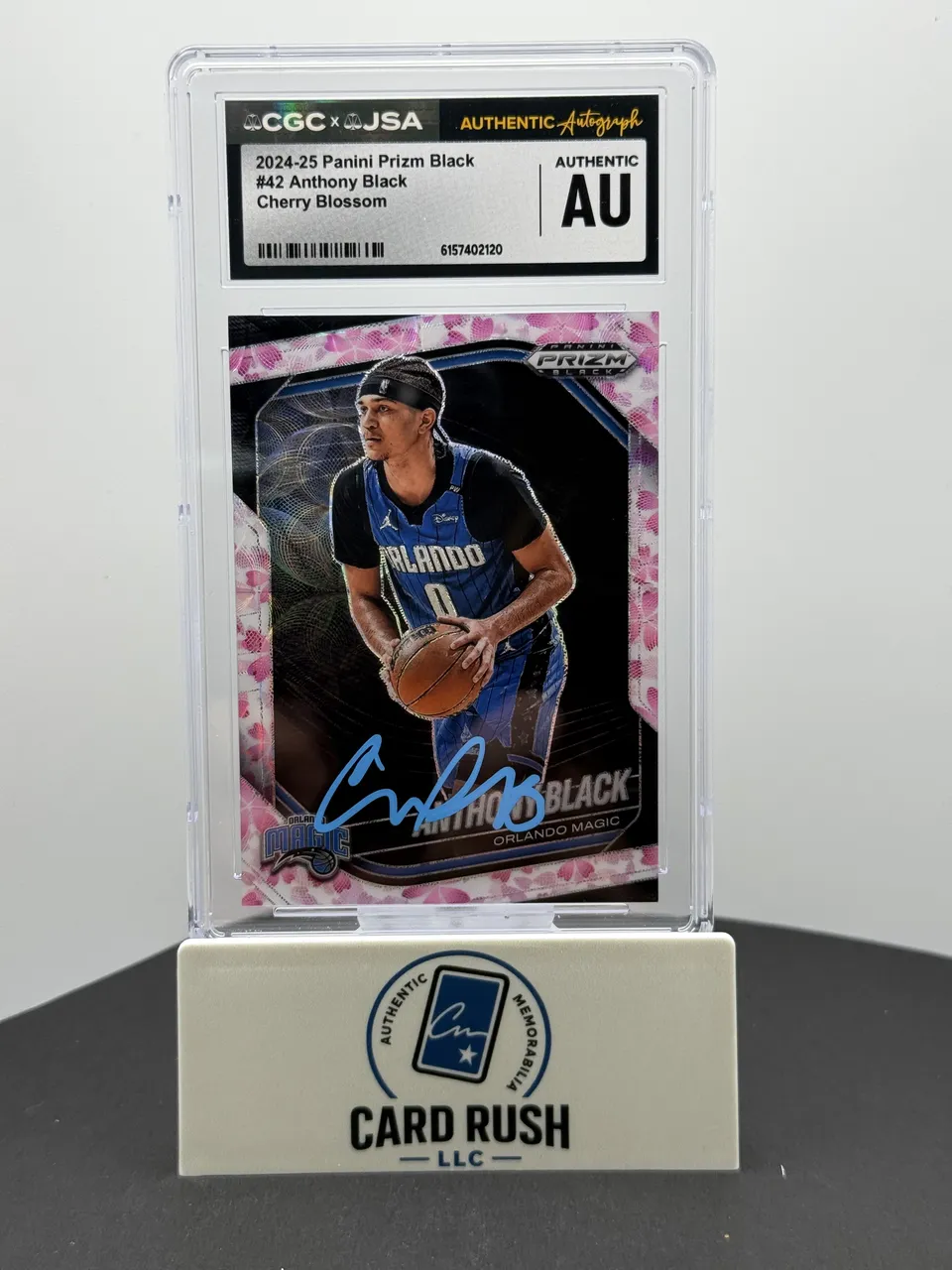
Anthony Black was our first-round pick the first season we held season tickets, so he's always had a soft spot in this family's heart. Since then, he's been unbelievably generous with his time in the tunnel — quick with a smile, quick to stop, quick to make a fan's night. He became a favorite around here fast, and he's only gotten more exciting to watch since. If you're building a collection with an eye on where a player's career is headed, he's one to keep in mind.
This one's a Prizm Black Cherry Blossom parallel — a print run low enough that finding one at all is the hard part, let alone one of this player. We watched Christian hand it over and watched Anthony Black sign it, right there in the tunnel. The autograph also carries third-party authentication from CGC x JSA, so it's not only our word — though we understand if a phone-video glimpse of the card mid-signing doesn't do it justice next to the real thing.
We're not in a hurry to see this one go — but we'd rather it find a collector who understands what a low print run actually means than sit in a box waiting.
It's one of two Anthony Black pieces we witnessed signed in person, with a third — a Monopoly Money signing — on the way.
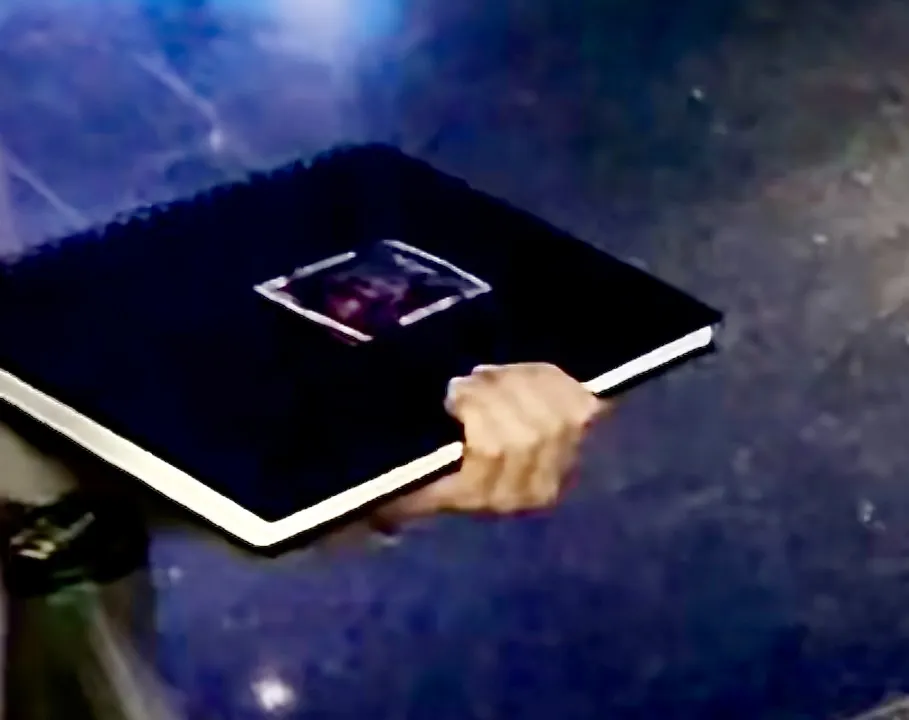

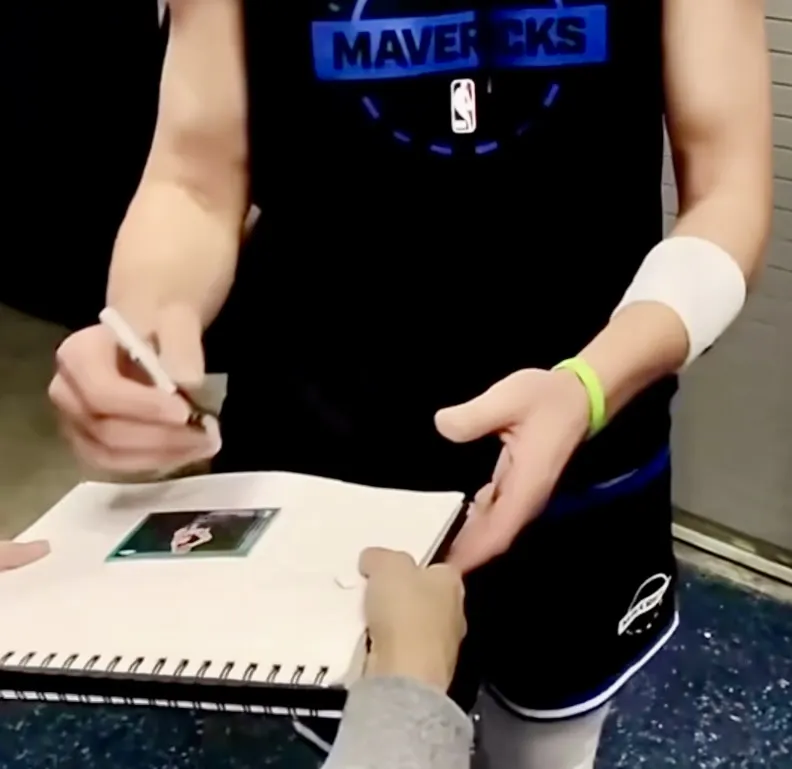
A close up from the video. Not good enough for Provenance.
The first time we saw him in person since the trade to the Lakers — and the first real test of whether anything about him had changed.
Luka Dončić was always known for being one of the more fan-friendly guys in the tunnel during his years in Dallas — the kind of player who'd stop, sign, and actually look you in the eye while he did it. So when the trade sent him to the Lakers, we had a quiet worry sitting in the back of our minds: would he still be that guy, or would a new team and a new circle around him change things? LeBron plays for the Lakers too, and everybody knows LeBron doesn't really sign in the tunnel anymore. It was fair to wonder if Luka might drift the same direction.
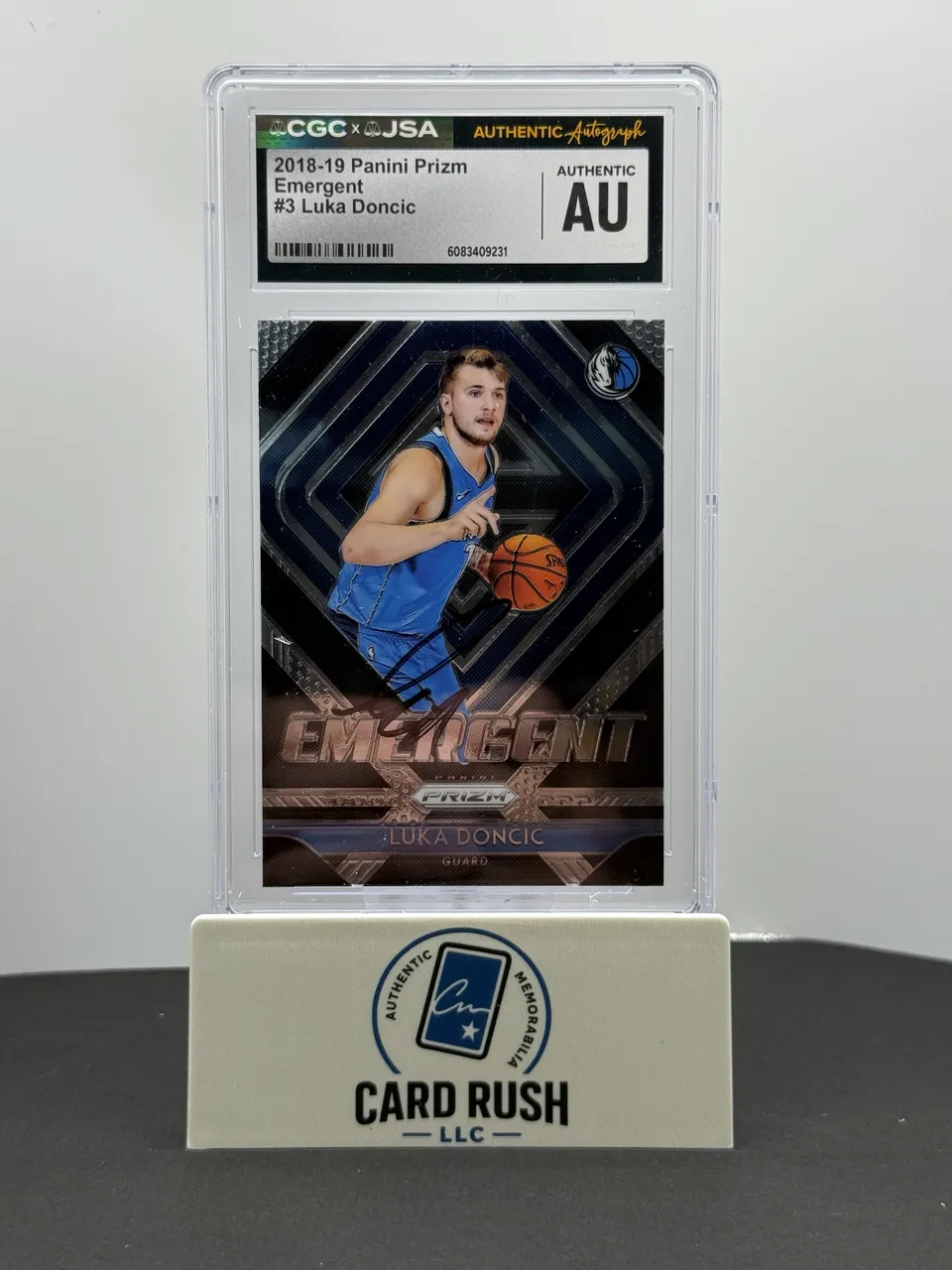
That worry didn't last long. The first time we saw him come through in Lakers gear, he stopped just like he always had — signed for the people who were there, no different from any other night in Dallas. This 2018-19 Panini Prizm Emergent autograph is one of the pieces he signed that night, authenticated by CGC x JSA. We have footage of the moment, though the card itself only catches the edge of the frame during the actual signature — enough to know we were there, not enough to call it a documented artifact on its own. The photo of the finished card is the clearer picture.
Some players change with a new jersey. This one didn't.
This one isn't part of the Anthony Black pieces we've been building out — just its own story, worth telling on its own terms.
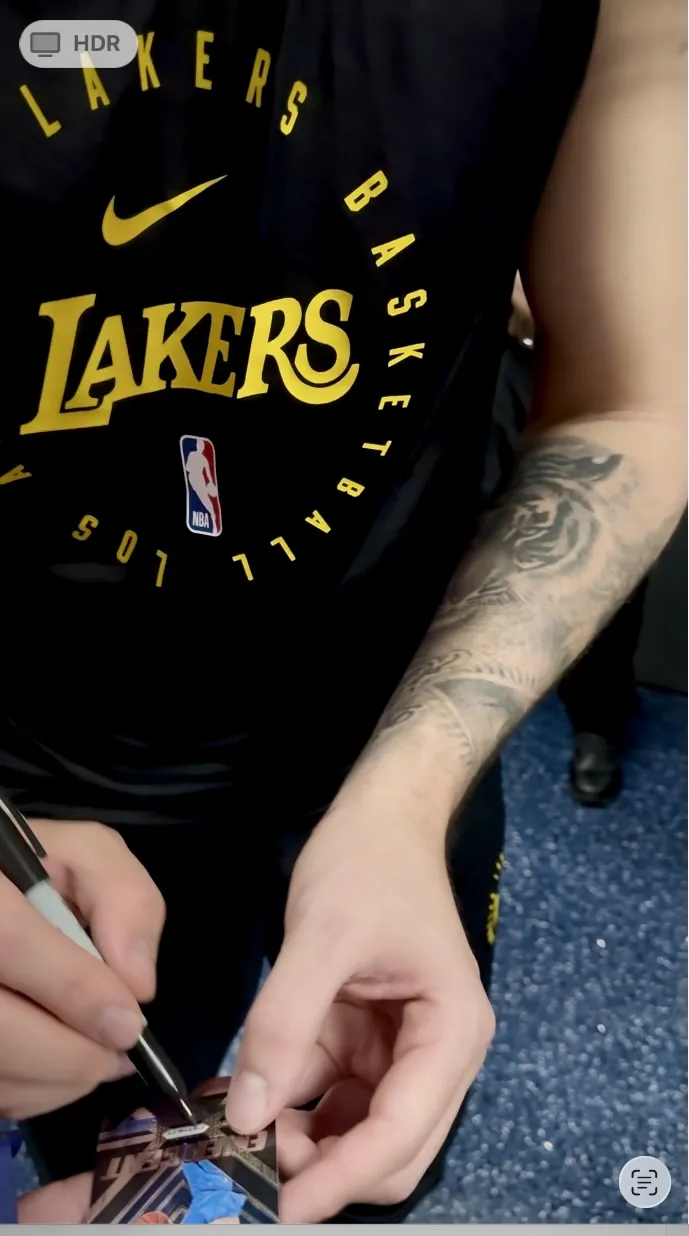
Kia Center, Orlando, September 7, 2026
Curated temporary exhibitions from respected collectors — one collector, one theme, a run of stories over a defined window.
Check back for the Museum's next Visiting Curator exhibit.
A new observation, player watch, hobby trend, or collecting insight published each day.
Thunder guard Jalen Williams was carted off on a stretcher Sunday night after a hard landing on a drive against the Clippers — and as of this morning, OKC still hasn't confirmed exactly what's hurt. Scares like this tend to spike "quick flip" listings on a player's rookie and early-year cards before anyone actually knows the severity. Williams, an All-NBA-caliber piece of OKC's young core, already missed a big chunk of last season to injury, so this is one where patience beats reaction. Watch for the team's official update before reading too much into any price movement on his cards either way.
This hobby has a real fraud problem. We're building an honest, plain-English guide — written in association with real experts — so new collectors don't get burned.
Light and humidity ruin more cards in this hobby than bad handling ever does.
Most collectors are careful with their hands and careless with their walls. A card left in direct sunlight for a few months will fade, and it happens slow enough that you don't notice until you hold it next to a fresh copy of the same card. Nobody dropped it. Nobody scratched it. It just sat somewhere bright for too long.
Humidity is the one we actually worry about most in Florida. High humidity warps cardboard and can make it stick to whatever it's touching -- a sleeve, a toploader, another card in a binder page. Once two cards fuse together like that, there's no clean way to pull them apart again.
Our rule is simple: closets beat display shelves for anything you're not actively showing off, and if something is on display, it doesn't stay under the same light forever. We rotate what's out. It's the same reason museums swap exhibits instead of leaving one piece under a spotlight for twenty years straight.
None of this costs money. It just means treating where you keep a card as seriously as how you sleeve it.
The cheapest protection in the hobby is also the most skipped -- here's what each layer is actually stopping.
A penny sleeve stops one thing: surface wear from the card rubbing against whatever's next to it. That's the whole job. It's the thinnest, cheapest piece of protection in the hobby, and it's also the one people skip most, usually right before we hear "it was fine in the box for years."
A toploader does a different job. It's rigid, so it's what actually stops a corner from bending if the card gets bumped or something gets stacked on top of it. Sleeve inside a toploader covers the two most common ways we've seen a card get damaged -- surface scuffs and bent corners -- and it costs next to nothing.
If a card is sitting in a toploader for more than a few days, we tape the top or drop it in a card saver so it can't slide out and rattle around inside. It sounds small. It's the difference between a card that looks the same in ten years and one with a scuff nobody remembers causing.
None of this replaces a slab once a card is valuable enough to grade. But for everything on its way there, or everything that's staying raw, sleeve and toploader is the floor -- not something you graduate past.
A graded card and a raw card fail in different ways -- here's what we watch for on each.
A slab does a lot of the work for you, but people treat it like the finish line, and that's the mistake. Cases crack if they're dropped on a corner or stacked without support, and a cracked case undoes the entire point of grading it in the first place. We keep slabs upright, in boxes actually built for the case size -- not loose in a drawer where they can knock into each other every time it's opened.
A raw card doesn't get that buffer at all, which is why sleeve-and-toploader isn't optional the way it can feel optional once something's certified. Raw cards take the everyday damage first: fingerprints, a binder page that's a little too tight, a swing in humidity overnight.
The line we tell each other is: grading changes what you're protecting a card from. It doesn't end the job. A slab keeps grime and fingerprints off the surface -- it doesn't stop a crack, and it definitely doesn't stop somebody tossing it in a box with twenty other slabs and calling it storage.
If a card mattered enough to send in for grading, it matters enough to keep storing properly after it comes back.
The museum preserves more than artifacts. It preserves the journeys of those who explore it.
A private wing of Card Rush Museum.
Your passport, credentials, provenance, and your place inside Card Rush Museum.
Everything on display here is curated by the family — but there's a private wing of the Museum too: a passport that records your journey, museum credentials that commemorate real milestones, and a provenance record that only builds, never resets.
“I really do believe that doing the online museum is a unique feature — not only for your customers, but for your children as well — and provides them with an infinite amount of reviewable nostalgia for the rest of their life.”
Member since, current standing, and every museum credential you've earned — issued as a passport, not an account dashboard.
Museum Visitor, Grail Seeker, Museum Scholar, Founder's Circle, Museum Patron — real credentials, from the moment you join to years of participation in the Museum.
Provenance is your history with the Museum — it only builds, never resets, and there's no leaderboard or point count to watch. As it grows, we reach out directly to let you know what's available to you.
Some collectors are named Museum Patron by the Museum itself — a permanent recognition, not a reward.
Every story deserves authenticity. Every artifact deserves provenance.
Every piece carries the card manufacturer's authenticity guarantee if sold raw, or independent third-party authentication from CGC/JSA, PSA, or Beckett if it's an in-person autograph — not just our word for it.
Most signings we attend ourselves. Where we can't, we use a small, vetted circle of hobby veterans only — never an open marketplace or mail-away mill.
Most cards carry independent CGC/JSA, PSA, or Beckett authentication — a second, outside set of eyes confirming what we're telling you.
The card never leaves vetted hands between the signing and your doorstep.
Where artifacts are shown for what they truly are.
Every one of these has a story worth telling — and a home still to find.
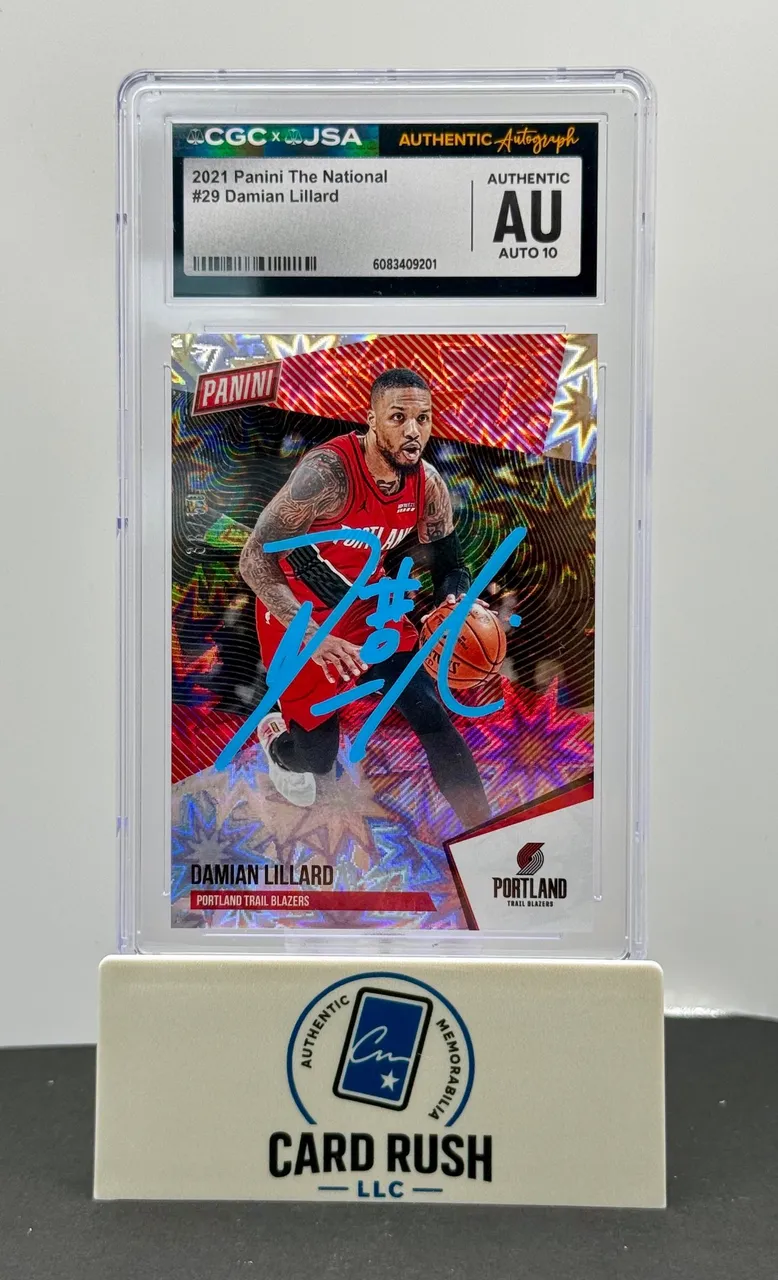
This card started as a mistake — a misread listing that turned out to be a National Convention Kaboom, not the Kaboom! I thought I was buying. The excitement, the price, the anticipation of gifting it to Christian for his stellar school year — all of it flipped in an instant.
The seller refused a refund, and what was meant to be a celebration became a disappointment. Around Card Rush, it became a running joke: not a Kaboom!, but a Kabust.
Then came redemption. When Damian Lillard signed it, everything changed. That autograph transformed the card from a misstep into a masterpiece — from Kabust to Kabang! I could not believe it, and then it got an AUTO 10 from CGC/JSA to turn it into a Hollywood ending.
Now, it's a piece of Card Rush history. A reminder that even mistakes can turn into magic. And while it's up for sale, its story will always belong to the collectors who see the heart behind the hobby.

A lesson in what a card is really worth, learned across a table at a card show.
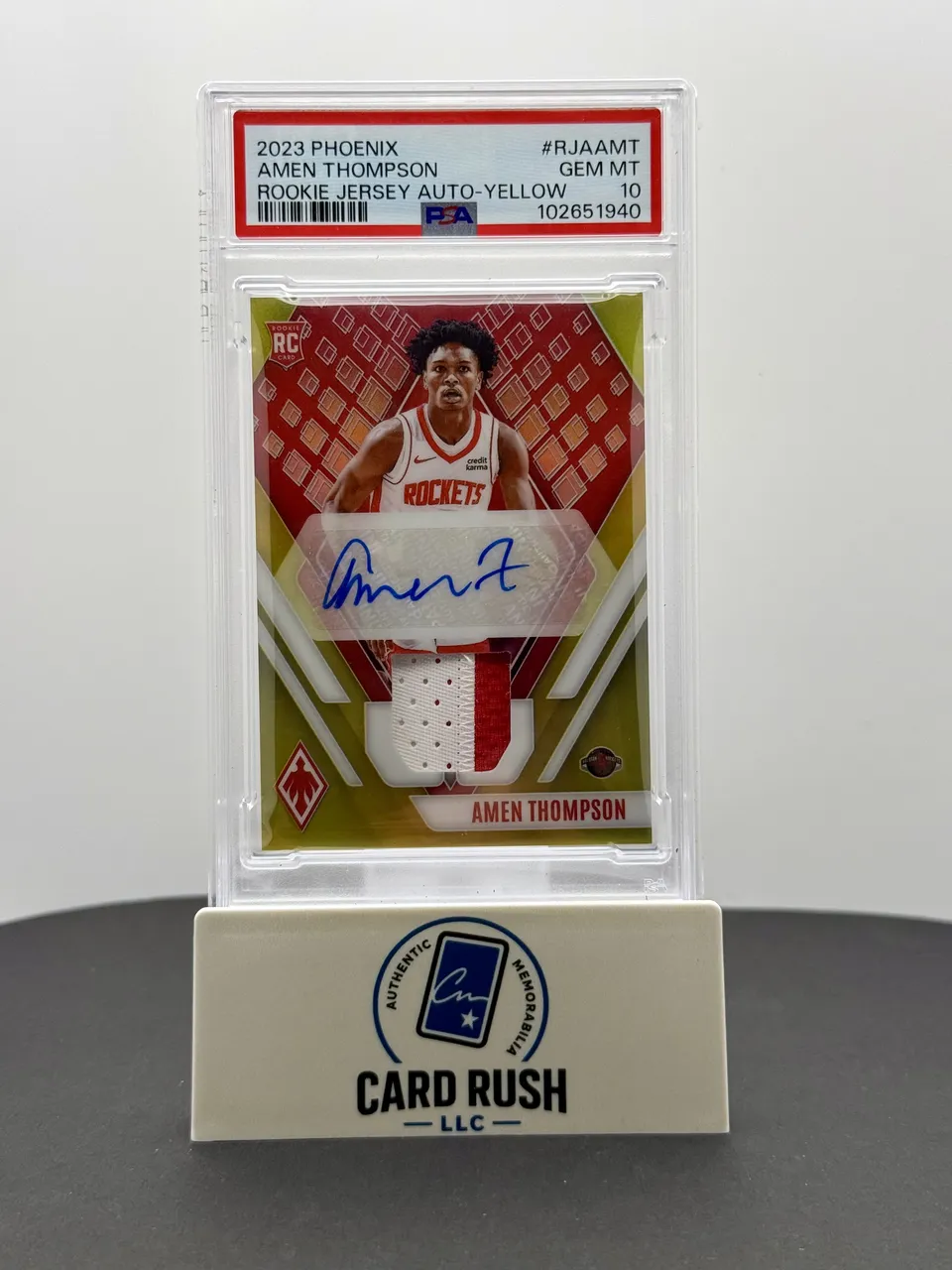
I was at a card show and came across a 2023 Phoenix Amen Thompson Rookie Jersey Autograph, the yellow parallel, graded PSA 10 Gem Mint. Amen's one of my favorite players, and I wanted this card badly. But I didn't want to just pay cash for it.
I'd brought some of my higher-value cards with me to the show, so I offered a trade instead. I gave up a Leaf Steph Curry autograph card, along with a couple of other encapsulated cards from less famous players, and walked away with the Amen Thompson.
I didn't fully realize it at the time, but that trade taught me something I still think about. Cash isn't the only way to get a card you really want. Sometimes what you already have is worth more to the right person than what's in your wallet, and knowing how to put a few smaller pieces together to trade up for the one card you actually care about is its own kind of skill.
No cash changed hands.
Just cards, a deal, and a kid figuring out how the hobby really works.

Every artifact, presently or previously.
Not every artifact stays in the collection. Some continue their story with a new collector.


"Item shipped out quickly and delivered exactly as pictured."
"Excellent overall transaction."
"This is hands down one of, if not THE best seller on eBay. Exceptional customer service from the very beginning. CardRushLLC went way above and beyond. Card arrived in perfect condition with extra precautions taken to ensure the package stayed safe during transit. Un-Beatable value for the card, and even had a hand-written note in the package. I will forever sing the praises for this team of outstanding individuals."
"Honest and reputable seller — prompt shipping and delivery, sturdy and secure packaging, quality product as the slabbed auto cards arrived in superb condition without issue or flaw. Unbeatable prices and would definitely be happy to buy from again."
"Card arrived packaged well and in listed condition, smooth sale — would purchase from this seller again."
"Fast shipping! Product as described! Great condition! Quality packaging!"
"Great card and customer service. Love the card guys. Keep it up."
"A+++ quality, great condition, super value, great seller!!"
No replies, no likes, no discussion threads — just a curated record of who's been through the Museum, reviewed by the family before it's ever public.
Some cards are collected.
Some cards are traded.
Some cards have moved on to new collections.
But a few become something more.
They become reminders of where we were,
who we shared the hobby with,
and why the chase mattered in the first place.
Basketball cards and memorabilia can be more than collectibles.
In the right hands, with the right story, they become art.
Thank you for spending time with the stories preserved here.
The Museum will continue to grow.
And every collector who walks through it becomes part of that story.
Tell us the player, the card, or the occasion — we'll let you know what's possible.